
#BlackSeaX was officially launched last week at The Marmorosch Bucharest | Autograph Collection in Bucharest, marking the debut of a new private accelerator dedicated to dual-use technologies in the Black Sea region.
The initiative is the result of more than two years of sustained strategic dialogue and collaboration between InnovX and MIT Mission Innovation X . What began as high-level conversations around defence innovation, deep-tech ecosystems, and regional resilience has now evolved into a structured acceleration framework designed to move dual-use technologies from concept to deployment on 6–12 month operational cycles.
The forum brought together a diverse and strategically aligned audience: startups operating at the intersection of civilian and defence markets, venture capital investors, financial institutions, academic leaders, representatives from the Ministry of National Defence - Romania and other government institutions, as well as international partners working across security, diplomacy, and advanced technology domains.
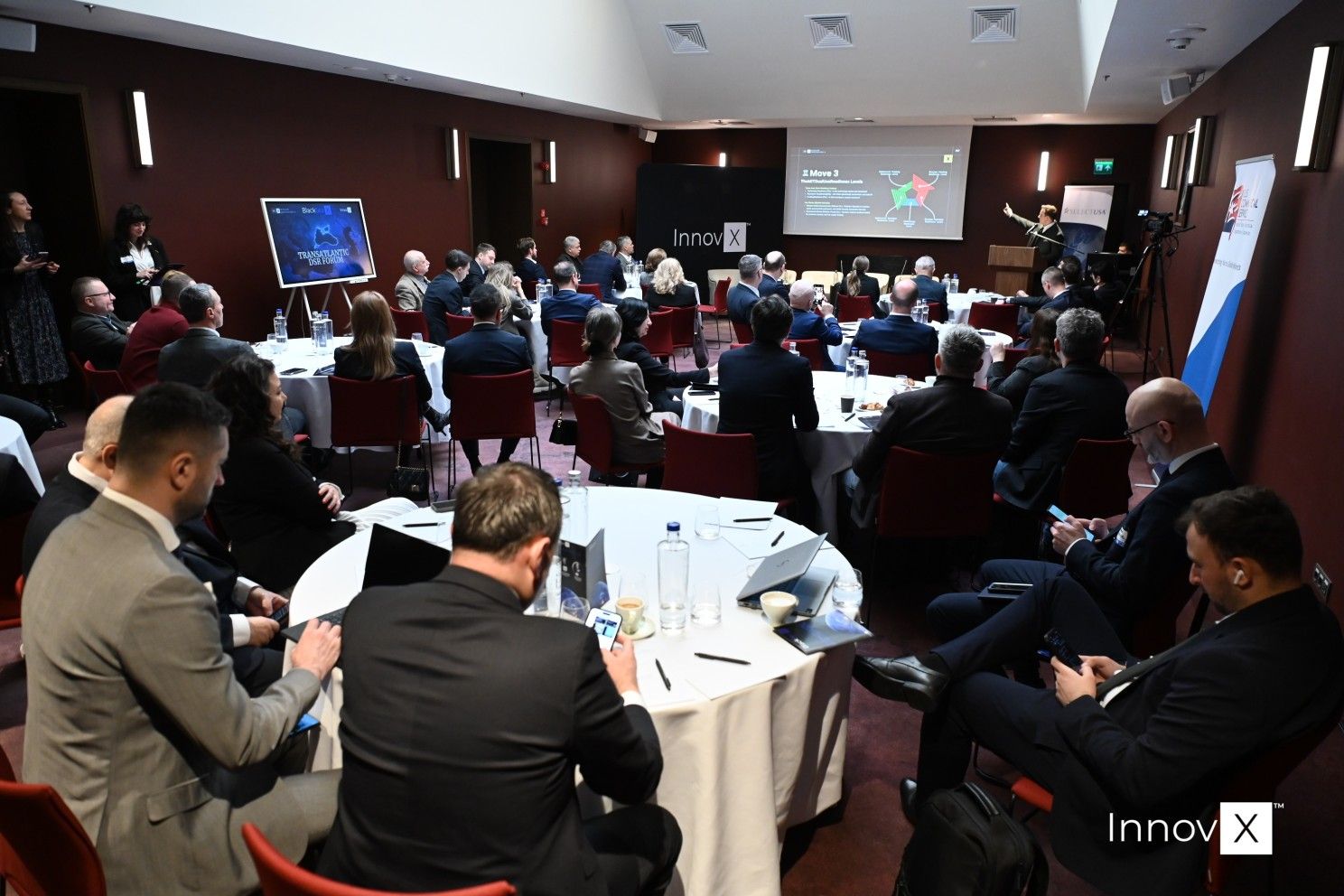
More than a conference, BlackSeaX introduced an execution platform. It outlined a private acceleration model built to connect research institutions, founders, corporates, capital providers, and policy stakeholders in a coordinated effort to strengthen logistics resilience, maritime security, supply-chain integrity, critical infrastructure protection, and transatlantic technological alignment.
In a geopolitical landscape where resilience is no longer optional, BlackSeaX positions the Black Sea region not as a peripheral actor, but as a strategic node within the broader Euro-Atlantic innovation architecture.
Opening Remarks
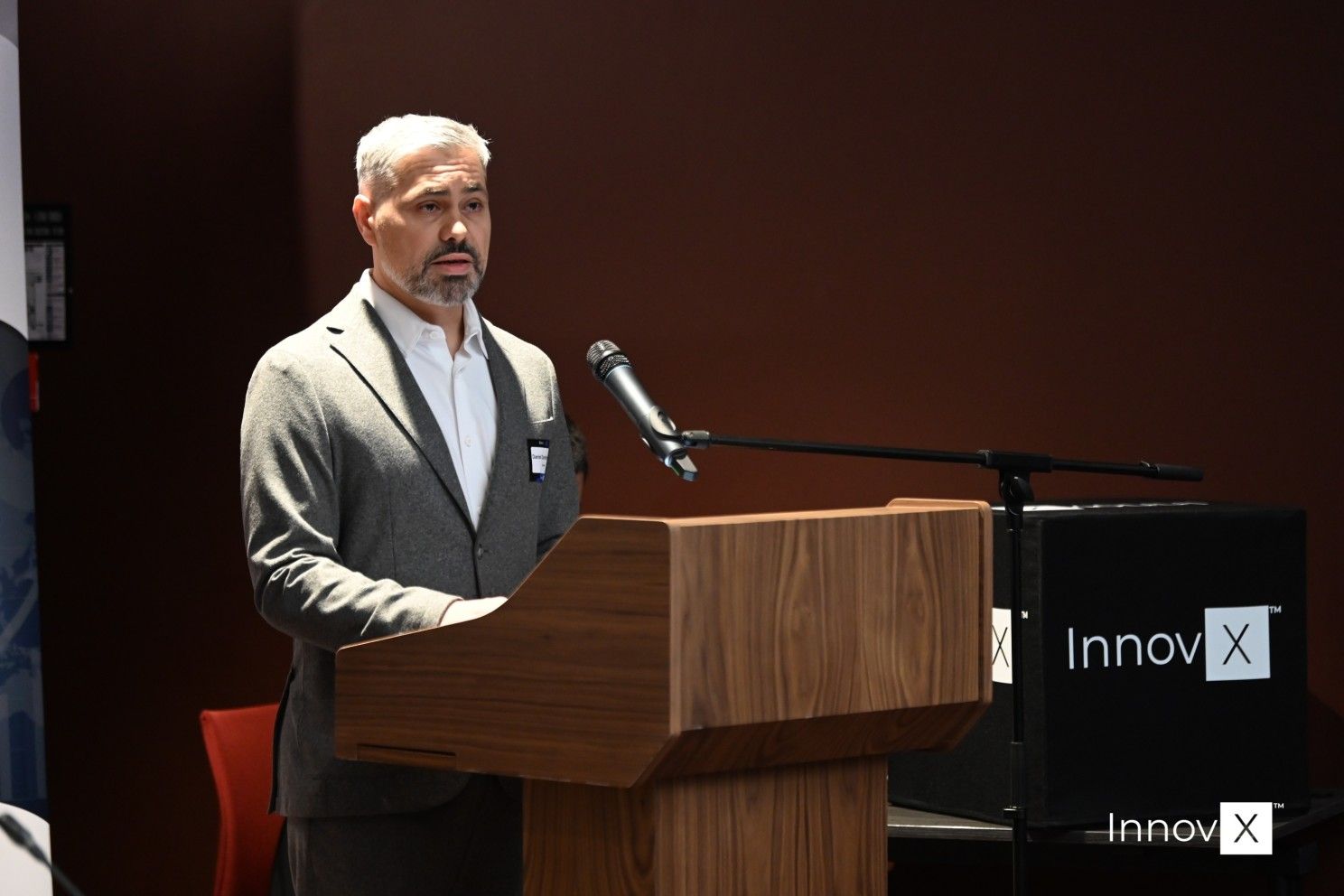
Daniel Dumitrescu, PhD. , Chief Innovation Officer at InnovX opened the BlackSeaX Forum by framing the day not as a conference, but as the beginning of a new acceleration chapter for the Black Sea region.
“The Transatlantic partnership is not weakening. It is strengthening. It has never been more necessary, and it has never been more real.”
He positioned the region as a strategic pillar within the transatlantic architecture - no longer a distant frontier, but a central space where security, innovation, and resilience converge. In a rapidly evolving technological environment, he emphasized that alignment between allies is mission-critical.
He highlighted InnovX ’s evolution over the past seven years: building bridges between Romania, Europe, and the United States, leading large-scale delegations to SelectUSA , and creating structured pathways for CEE innovators to access global ecosystems.
A defining milestone in this journey is the partnership with MIT Mission Innovation X , a collaboration that connects advanced research ecosystems with operational acceleration in one of Europe’s most strategically relevant regions.
BlackSeaX, he explained, is designed as a private accelerator model built for speed, operating on 6–12 month cycles and independent of slow institutional timelines. Its sustainability lies in private capital, institutional partnerships, and long-term ecosystem trust.
His opening remarks set the tone for the forum: resilience in the Black Sea region will be defined not by size, but by speed (speed of adaptation, speed of innovation, and the depth of cross-sector collaboration).
With that foundation in place, the forum moved from vision to execution.
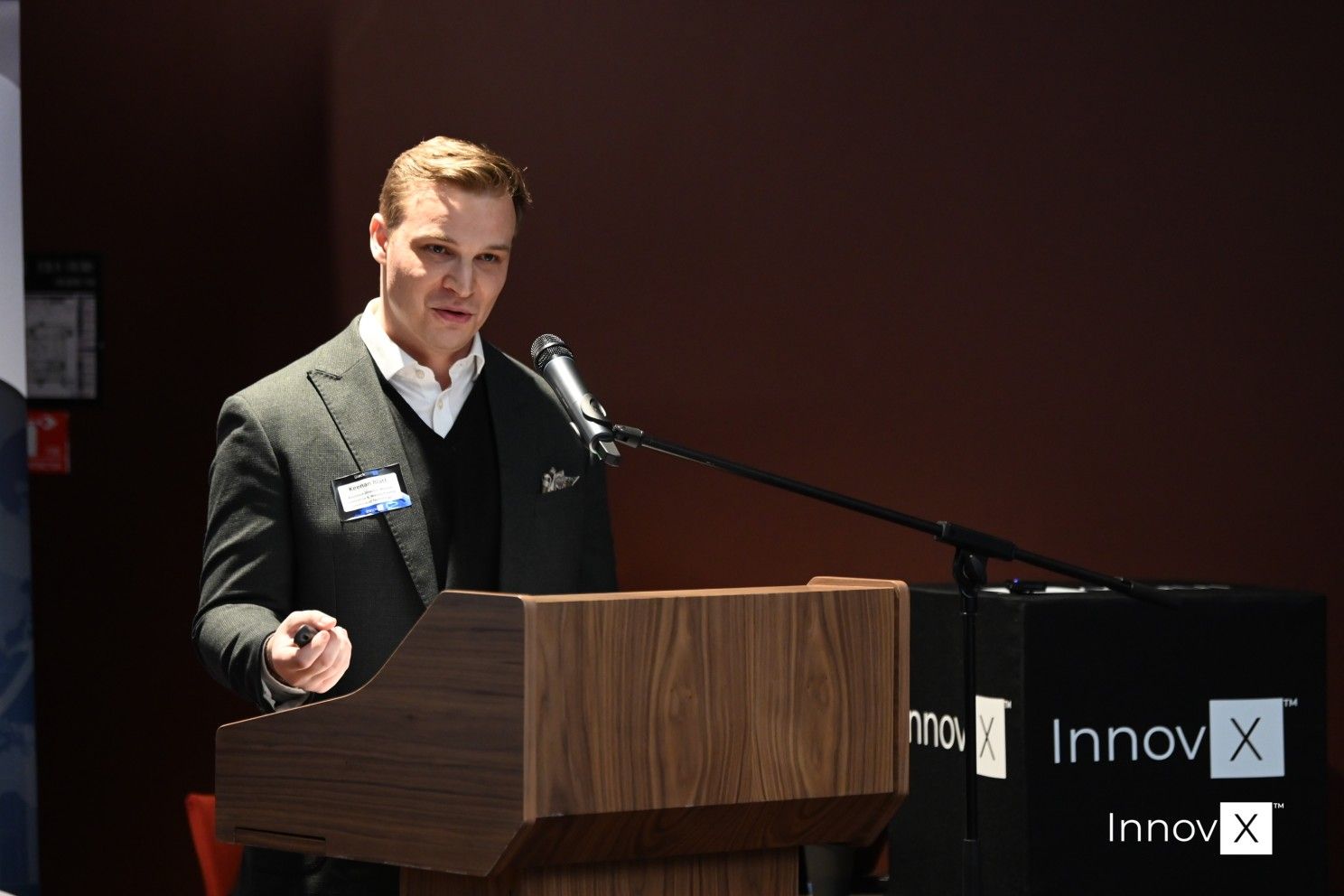
Keenan Blatt | Dual-Use Technologies Ensuring Resilience of Logistics Infrastructure
A defining moment of the BlackSeaX Forum was the intervention of Keenan Galusha-Blatt , Assistant Director at MIT Mission Innovation X.
At MIT, Keenan leads dual-use innovation across education, research, and technology transfer, managing the Dual Use Ventures incubator and developing programs for startups, investors, and government agencies across the U.S. and NATO. His work sits precisely at the intersection BlackSeaX aims to institutionalize: translating deep research into deployable capabilities within allied security frameworks.
His keynote crystallized the core theme of the day: how dual-use technologies must evolve to protect and reinforce critical logistics infrastructure in an increasingly contested geopolitical environment.
Keenan framed the current moment as a convergence between exponential technological advancement and accelerating threat evolution. Traditional procurement cycles, often stretching 18–36 months, simply cannot keep pace with fast-moving operational realities.
He noted:
“You can’t fix this with better project managers or better procurement officers. You need different mechanisms in place.”
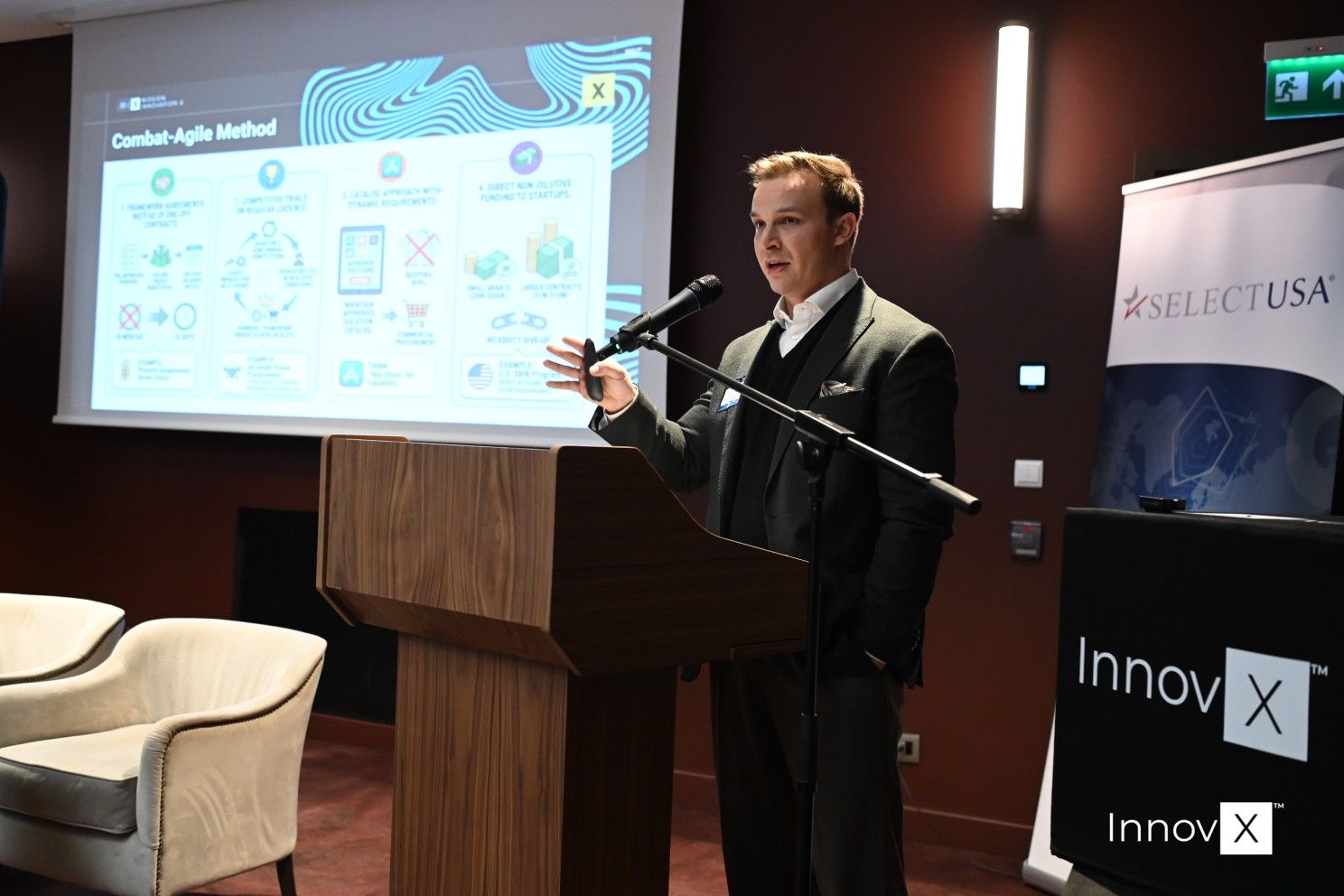
He contrasted the existing model with what he described as a “combat-agile” framework - innovation cycles compressed to 3–6 months and structured around:
- Framework agreements instead of one-off contracts
- Competitive trials on a recurring cadence
- Catalog-based capability acquisition, functioning more like a marketplace
- Direct non-dilutive funding mechanisms for startups
In this model, solutions are tested frequently, validated in real environments, and scaled quickly, rather than moving through slow, transaction-by-transaction procurement pipelines.
The implication for the Black Sea region was direct: resilience will be defined not by size, but by speed of fielding capability.
Romania’s Strategic Advantage
Keenan positioned Romania within a broader strategic context. Like Israel, Estonia, or Taiwan, national advantage can emerge from focused innovation ecosystems that align talent, policy, and operational demand.
Romania already holds key assets:
- Strong IT and deep technical talent
- Industrial depth in automotive, energy, and manufacturing
- Black Sea access - a critical logistics corridor within the allied security architecture
The missing variable, he suggested, is not capability but institutionalized acceleration.
An Actionable Roadmap
His presentation concluded with four strategic moves for Romania:
- Institutionalize emergency procurement mechanisms as a permanent innovation policy.
- Build a startup-friendly legal and financial stack aligned with venture capital standards.
- Adopt MIT’s Dual-Use Readiness model, integrating Technology, Customer, and Funding Readiness across both mission and commercial markets.
- Launch a Founder–Military exchange program to shorten feedback loops between operators and innovators.
These proposals moved the conversation beyond theory. They outlined a replicable model connecting academia, venture capital, government operators, and startups into a structured five-stakeholder ecosystem, designed to compress timelines and increase deployment speed.
By bringing the MIT Mission Innovation X dual-use framework into the Black Sea conversation, Keenan Galusha-Blatt positioned BlackSeaX as part of a broader transatlantic acceleration network: one built for speed, alignment, and operational impact.
Sorin Moldovan | Romania’s DSR Policy in the Euro-Atlantic Context
“Effective resilience requires predictability, regulatory clarity, and sustained public–private cooperation.”
With this statement, Sorin Moldovan , Deputy Minister of Defence, anchored the discussion in institutional responsibility and strategic preparedness.
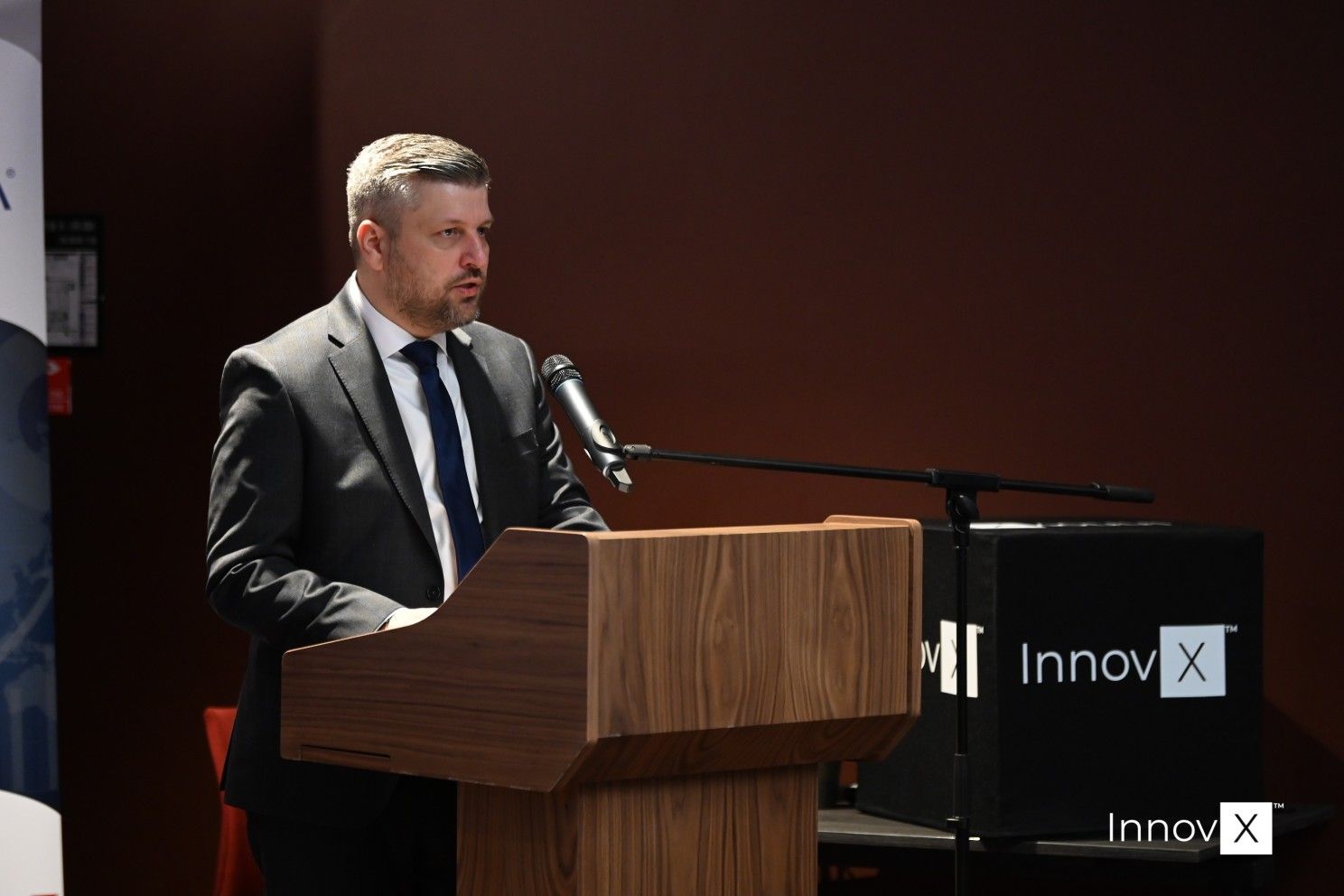
His intervention focused on how Romania’s defence and resilience policies are shaped by the broader security environment in which the country operates. Positioned on NATO ’s eastern flank at the Black Sea, Romania functions within a complex regional context that demands long-term strategic planning, logistical readiness, and integrated capability development.
He emphasized that Romania’s National Defence Strategy 2025–2030 provides a structured framework that brings defence, security, and resilience into a coherent national architecture. Innovation and emerging technologies are not peripheral to this strategy, they are increasingly embedded within it.
A key message of his address was alignment. Romania’s approach is designed to operate in coordination with NATO strategic planning processes and European Union instruments related to critical infrastructure protection, military mobility, and supply chain security. National resilience, in this view, is inseparable from allied interoperability.
He also underlined a practical reality:** a significant proportion of transport systems, communications networks, and critical infrastructure assets are commercially operated**. For this reason, resilience cannot be built exclusively within governmental structures. It requires structured engagement with the private sector, predictable regulatory frameworks, and sustained cross-sector collaboration.
His remarks reinforced an important dimension of the BlackSeaX dialogue: defence innovation is not only about technology acceleration. It is about integrating operational readiness, policy clarity, and ecosystem cooperation into a stable and credible strategic posture.
Clara Volintiru | The Black Sea’s Role in Transatlantic Cooperation
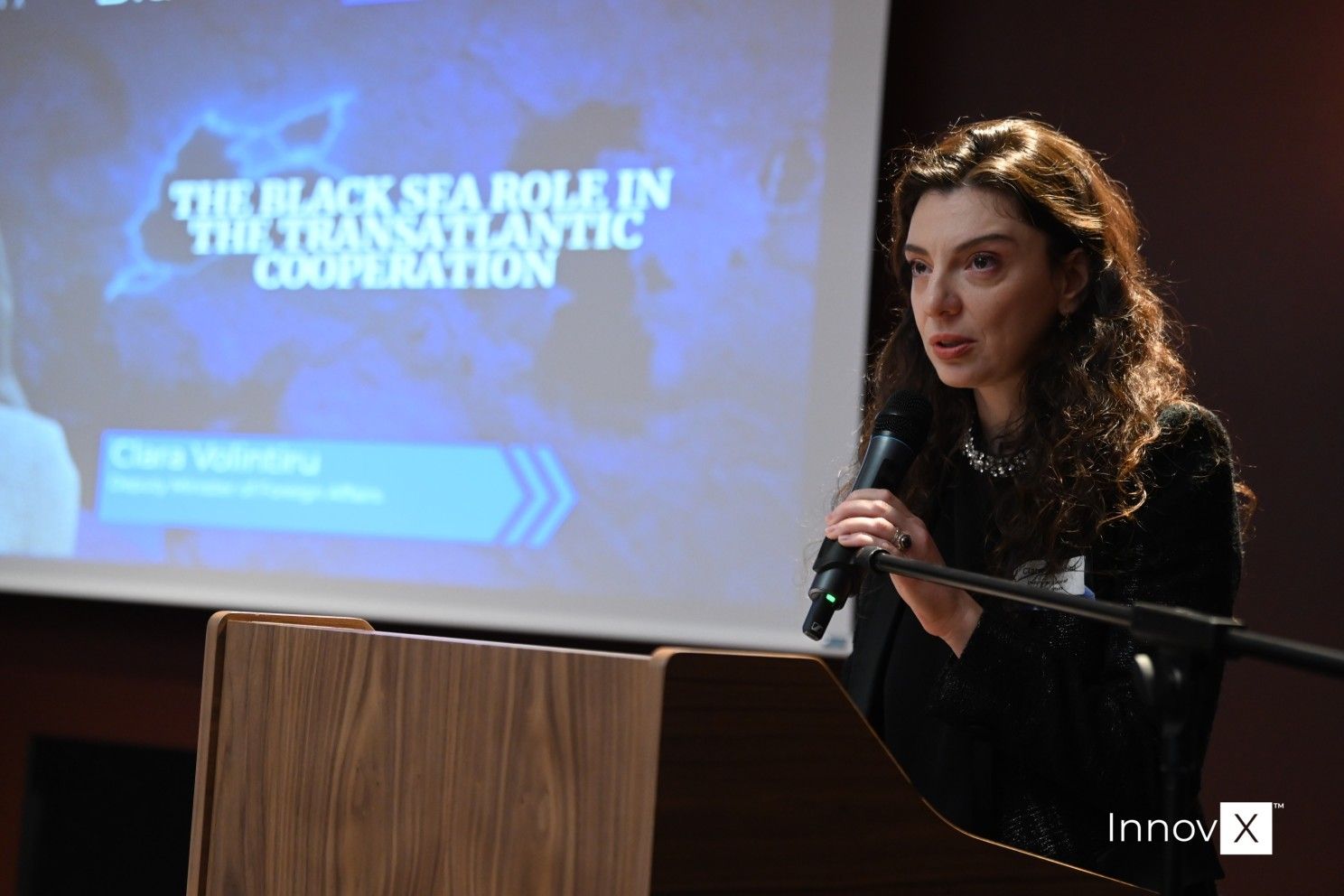
“It’s not enough anymore to work on the governmental level. We need to make sure that our private sector, our academic sector, our civil society actors work more and more directly with each other to build new capabilities.”
With this statement, Clara Volintiru , Deputy Minister of Foreign Affairs, framed the BlackSeaX Forum around a central idea: resilience today is built through ecosystem alignment.
Her intervention focused on the Black Sea region as a space where strategic coordination, institutional agility, and cross-sector collaboration must converge. Innovation, in this context, is not an isolated ambition, but increasingly embedded within Romania’s broader strategic vision.
Drawing on her academic research on resilience, she emphasized that domestic cooperation is one of the strongest drivers of societal stability. Sustainable resilience does not emerge from isolated institutions, but from structured interaction between government, academia, private sector, and civil society. This layered cooperation, she argued, must now extend more directly across allied ecosystems.
Clara Volintiru also highlighted the significance of Romania’s updated National Defence Strategy, which explicitly integrates innovation into the country’s security architecture. The inclusion of innovation at a strategic level signals both institutional agility and long-term vision, positioning Romania to build a more structured defence innovation ecosystem, aligned with its transatlantic partners.
Her remarks reinforced a defining theme of the forum: the Black Sea region is an active space of capability-building, partnership expansion, and innovation-driven resilience.
Sarah Alwine | Cyber Crime, State Actors & Global Security Risks
“As technology evolves, our policies and laws must keep pace.”
With this perspective, Sarah Alwine, Assistant Legal Attaché with the Federal Bureau of Investigation (FBI) , brought a law-enforcement lens to the BlackSeaX Forum’s discussion on dual-use technologies and emerging security risks.
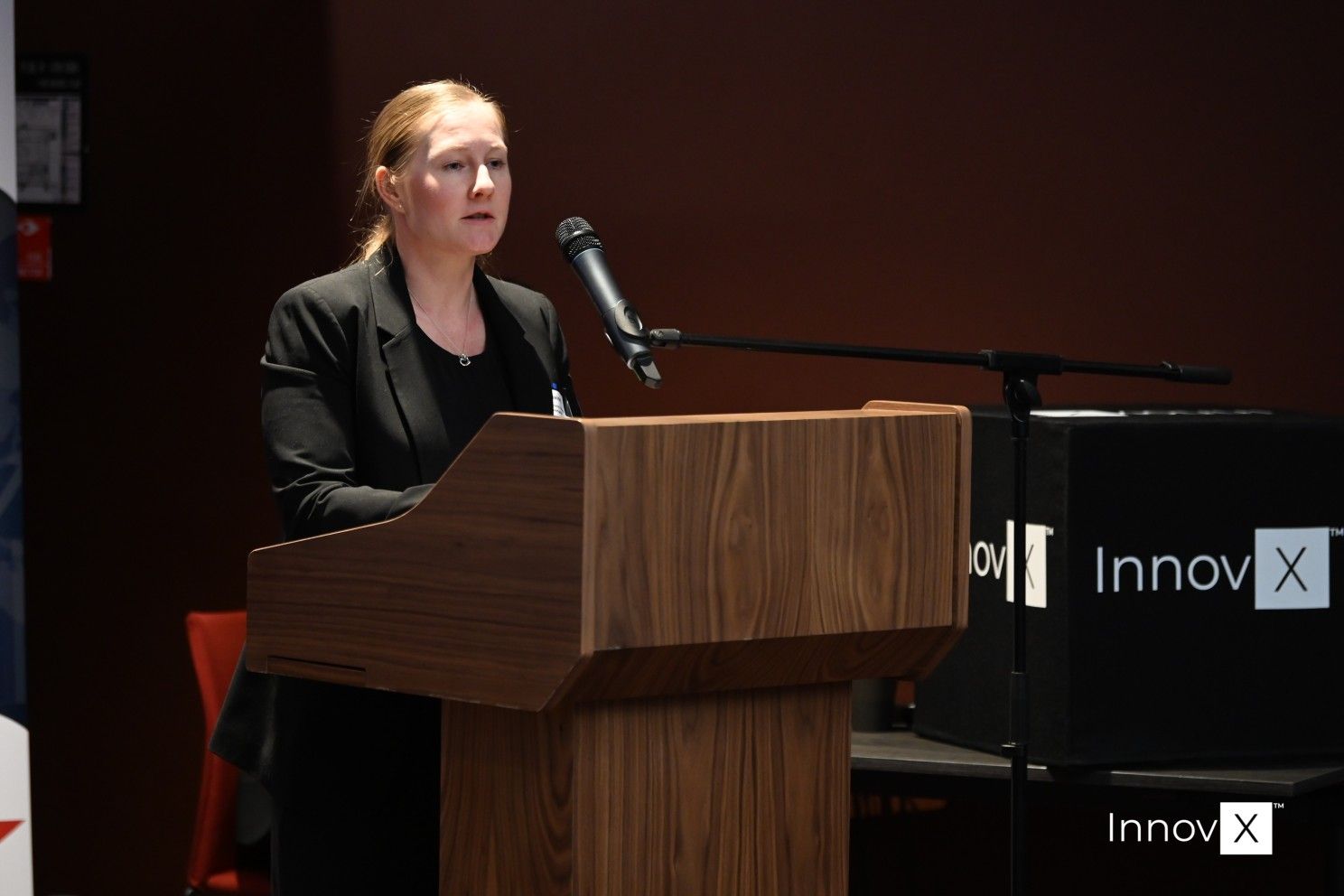
Her intervention focused on the rapid acceleration of technology over the past decade and a half. Reflecting on how cybercrime investigations were conducted in the late 2000s compared to today, she highlighted the exponential increase in technological capability, and the structural pressure this creates for legal systems and regulatory frameworks.
From a law enforcement standpoint, the challenge is not only identifying malicious activity, but ensuring that policies, judicial understanding, and operational procedures evolve in parallel with technological change. When innovation moves faster than governance, enforcement mechanisms struggle to remain effective.
She also explained the importance of international cooperation in the cyber domain. While the FBI operates as a domestic agency, cybercrime is inherently transnational. Her remarks introduced a necessary governance perspective to the dual-use conversation. As new technologies are developed and deployed, safeguards, standard operating procedures, and protective mechanisms must be embedded from the outset. Innovation expands capability, but resilience depends on how responsibly that capability is structured and protected.
Her contribution added balance to the broader forum dialogue: acceleration must be accompanied by regulatory clarity, cross-border cooperation, and institutional preparedness.
Cristian Diaconescu | Eastern Europe’s Defence and Energy Initiatives for Resilience
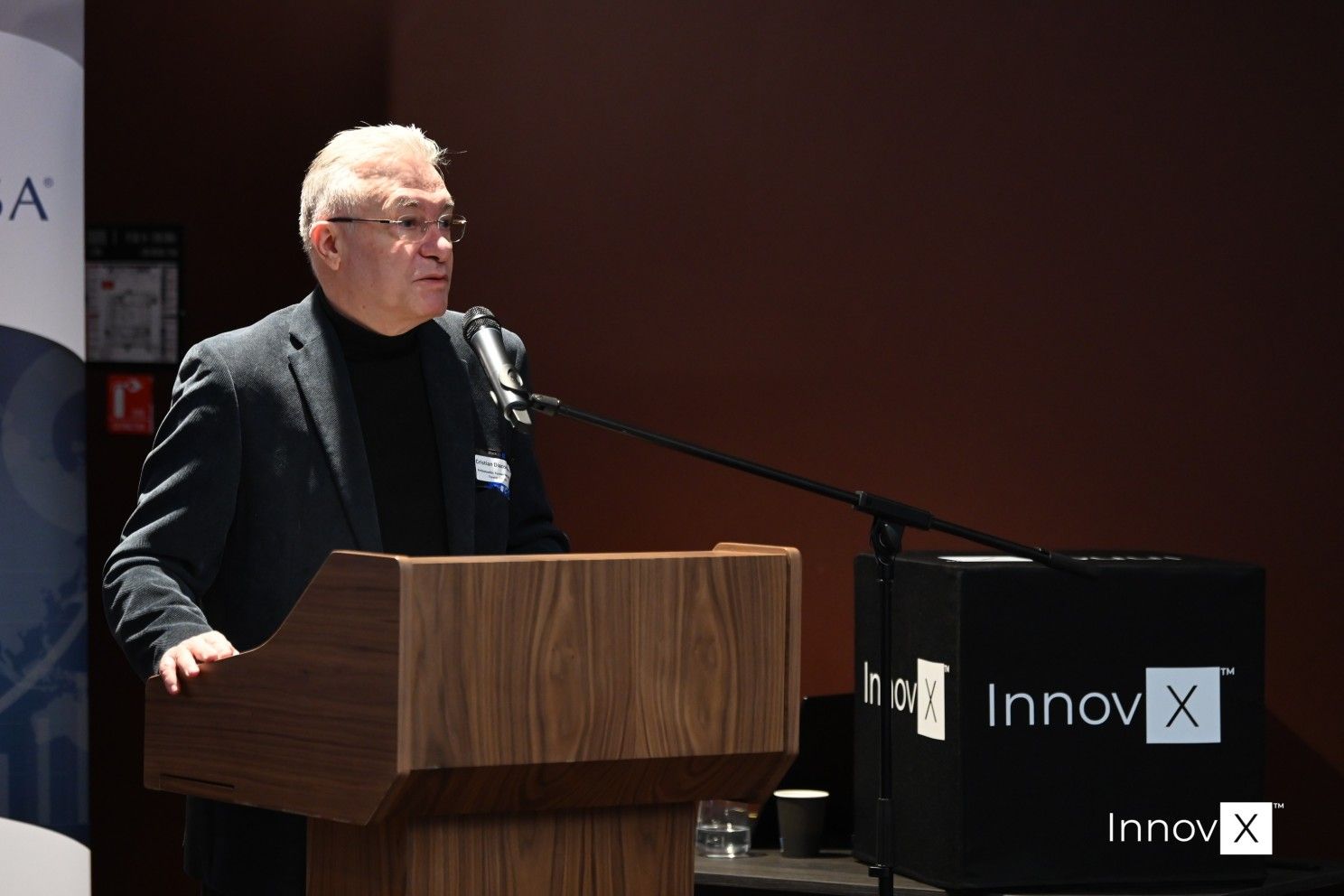
The Black Sea is a strategic crossroads where defence, energy, and regional stability intersect.
This was the strategic lens brought to the forum by Cristian Diaconescu, Ambassador and former Minister of Foreign Affairs, whose intervention positioned the region within a broader European and transatlantic security architecture.
His remarks focused on the structural interdependence between defence posture and energy security. In the Black Sea region, infrastructure is not merely economic - it is strategic. Maritime routes, energy corridors, connectivity projects, and logistics nodes form an integrated system that directly influences regional stability.
He emphasized that resilience cannot be fragmented. Defence initiatives, energy diversification, and infrastructure protection must be approached as part of a unified strategic framework. Regional coordination, particularly among Eastern European states, is therefore essential, not only for security alignment, but for long-term strategic credibility.
In this context, the Black Sea region emerges not simply as a zone of attention, but as a zone of responsibility. Its stability depends on coherent policies, sustained cooperation, and the ability to translate geopolitical awareness into practical coordination mechanisms.
His contribution reinforced a broader theme of the BlackSeaX Forum: innovation and acceleration matter, but they must operate within a clear strategic vision that links defence, energy, and regional partnerships into a stable and forward-looking architecture.
Panel 1 - Academia Alliance for Accelerating Dual-Use Technologies
"Can Romania evolve from implementer to regional decision-maker in dual-use and deep-tech innovation?"
This was the central question that anchored the first strategic panel of the BlackSeaX Forum.
Moderated by Ana Bobirca, the conversation brought together Nicu Iancu , Dorel Paraschiv , Gabriel Raicu , and Ovidiu Dranga in a discussion that moved from abstract strategy to institutional architecture.
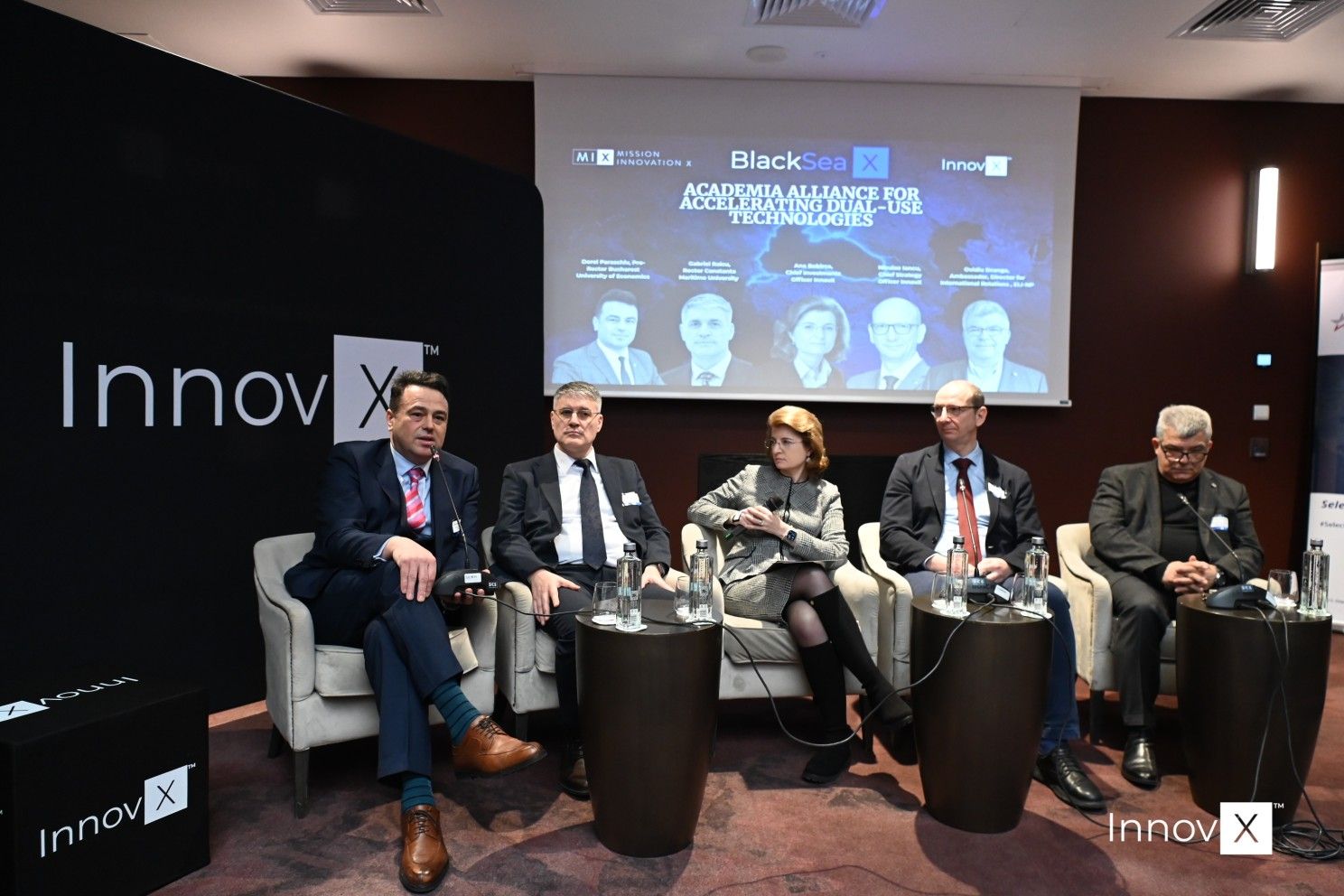
What emerged was a proposal for a structural shift in how Romania positions itself within the Black Sea security ecosystem.
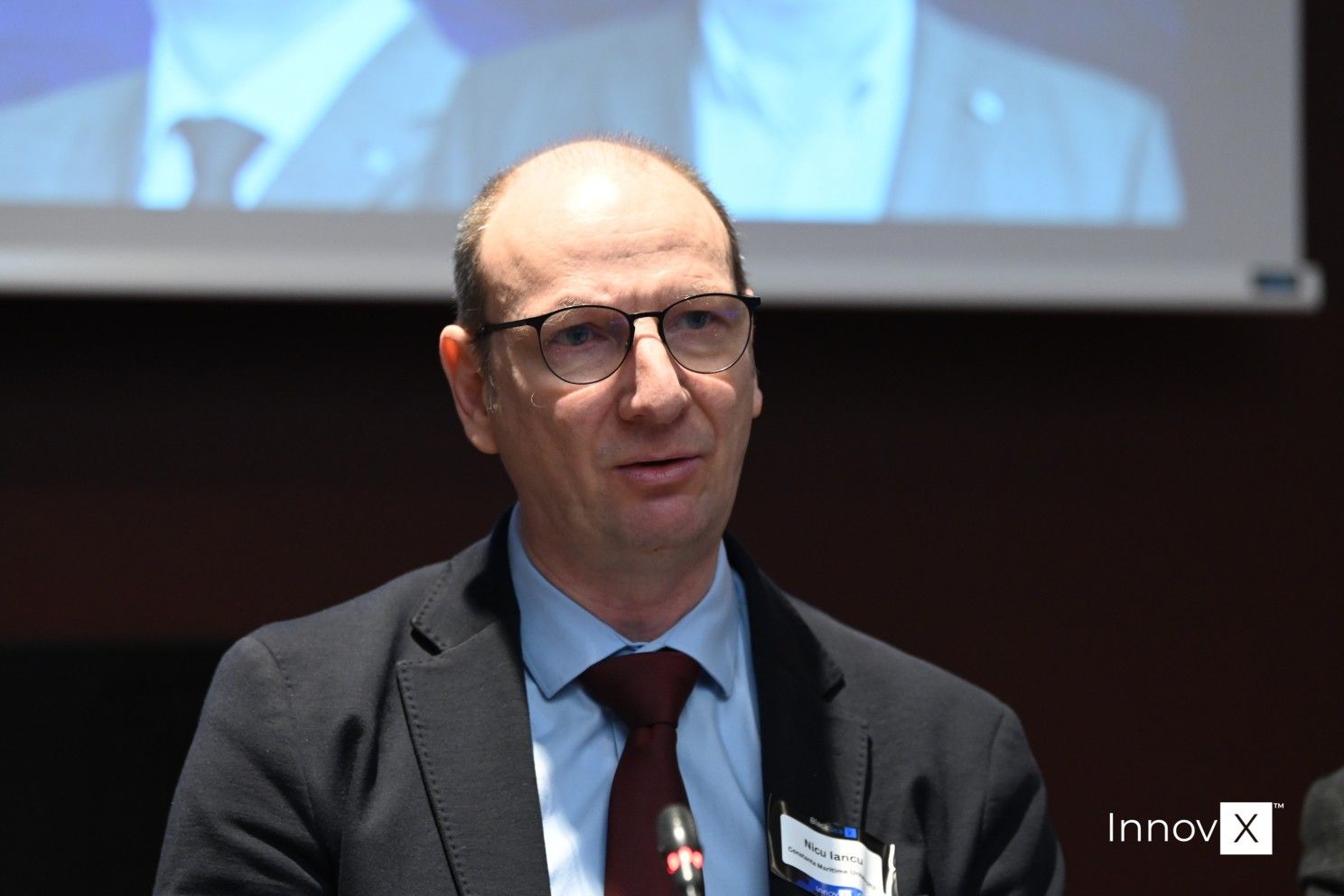
Professor Nicu Iancu, Chief Strategy Officer, InnovX ; Former Rector, National Intelligence Academy ; VP MARITIME CYBERSECURITY CENTRE OF EXCELLENCE framed BlackSeaX not as a theoretical initiative, but as an operational accelerator designed to move at startup speed.
His intervention emphasized that between 2026 and 2030, resilience will depend less on institutional size and more on innovation velocity. Romania already holds critical assets, cybersecurity expertise, technical talent, strategic geography, but what is required is a structured acceleration engine capable of delivering results in 6–12 month cycles.
He outlined the logic behind the “Romanian Triangle”:
- InnovX: venture acceleration, cyber and dual-use capability
- The Bucharest University of Economic Studies: economic modeling and strategic policy depth
- Constanta Maritime University: real maritime and logistics operational environment
Together, these actors form the backbone of a private–academic accelerator capable of executing rapid pilots in areas such as maritime cybersecurity, logistics resilience, and critical infrastructure protection.
This collaboration is further reinforced through the ECYBRIDGE project, the European cybersecurity initiative in which InnovX , alongside the rest of the conosrtium partners (such as Constanta Maritime University, The National Institute for Research & Development in Informatics - ICI Bucharest , The Romanian National Cyber Security Directorate , Safetech Innovations , Professor Nicu Iancu and many others) contributes to strengthening regional cyber resilience through coordinated research, innovation, and cross-sector alignment.
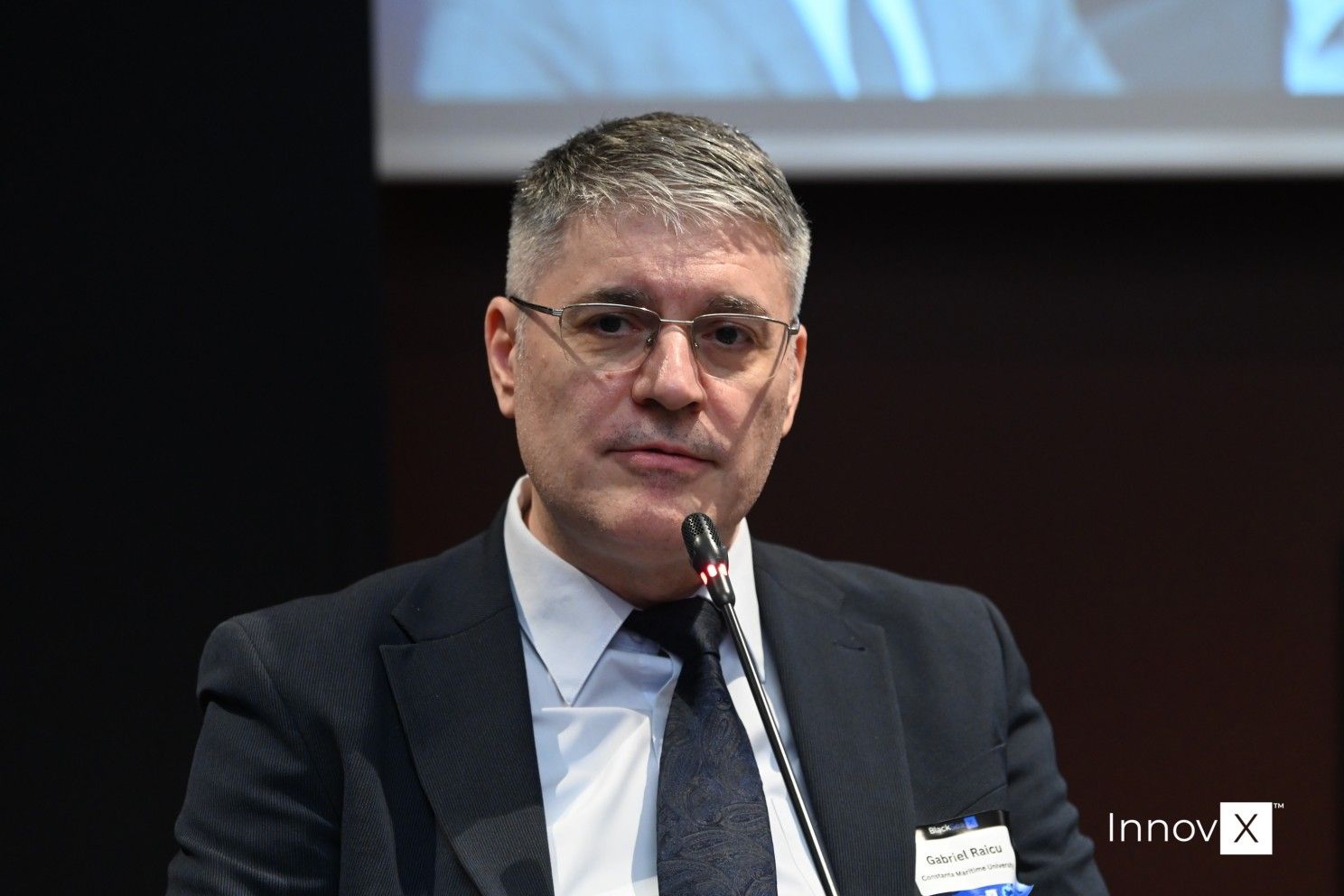
Professor Gabriel Raicu , Rector at Constanta Maritime University brought operational realism into the discussion.
In the Black Sea region, ports, subsea cables, logistics corridors, and maritime transport systems represent both economic arteries and strategic assets. Innovation in this domain must therefore be validated under real-world pressure.
Constanta Maritime University offers precisely this environment: simulators, maritime labs, direct industry links, and access to operational testbeds.
His contribution reinforced a key theme of the panel: dual-use technologies cannot mature in isolation. They must be tested, refined, and validated within the environments they are meant to protect.
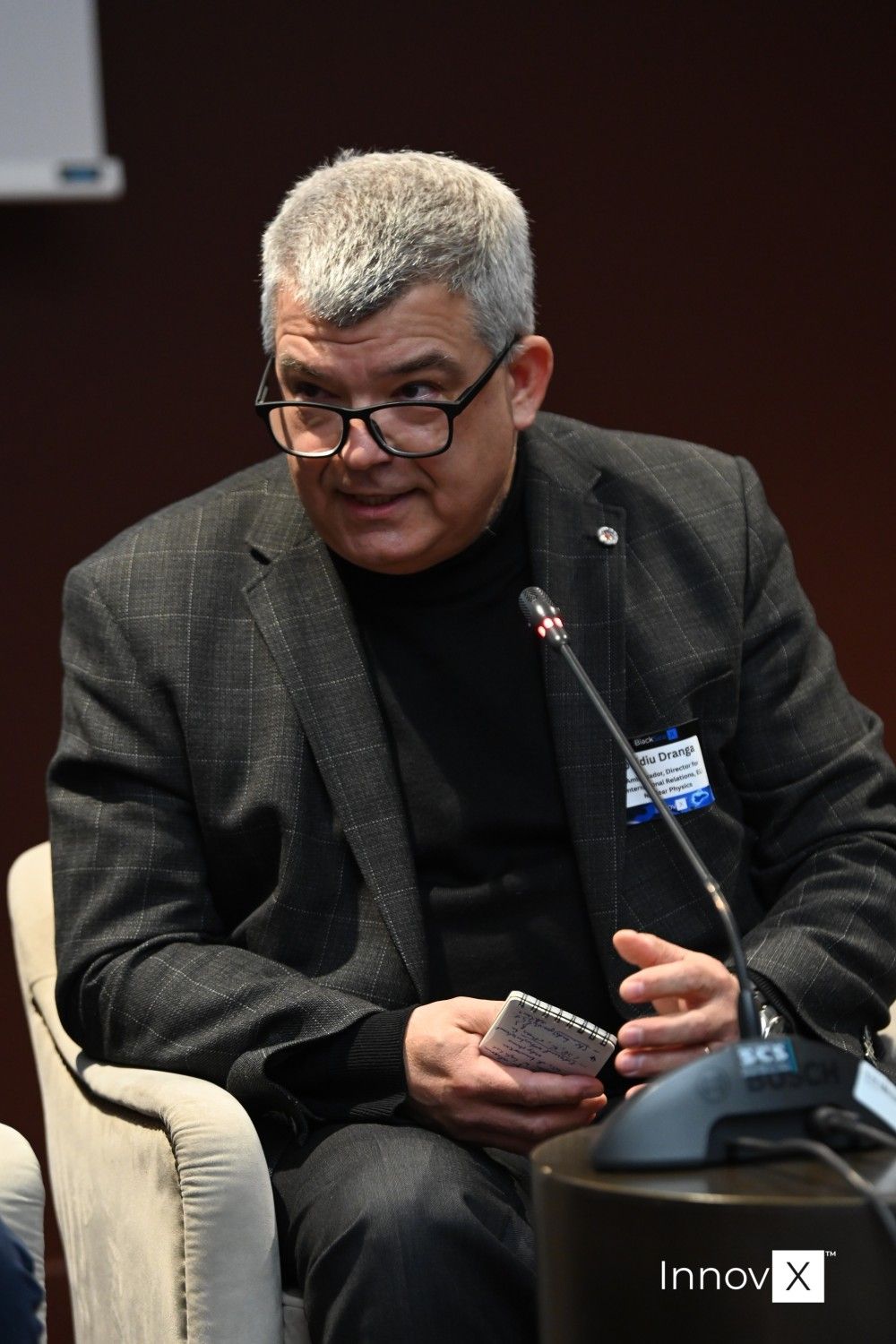
Ovidiu Dranga, Director for International Relations at Extreme Light Infrastructure - Nuclear Physics Center (ELI-NP), introduced the scientific frontier dimension.
ELI-NP houses advanced laser systems, optics research, precision measurement technologies, and high-energy experimentation facilities. These capabilities intersect directly with dual-use domains such as advanced sensing, materials science, radiation-resistant components, and high-precision detection systems.
His presence expanded the panel beyond maritime and cyber, into frontier science as an enabler of next-generation resilience technologies.
Professor Dorel Paraschiv, Pro-Rector at The Bucharest University of Economic Studies, focused on the role of academia in turning innovation into scalable, market-ready capability.
He emphasized that dual-use acceleration cannot rely on engineering excellence alone. It also requires economic understanding, commercialization logic, and policy literacy, including how technologies align with regulatory constraints, procurement realities, and real market incentives.
Within the proposed alliance, ASE’s role is to strengthen the economic and strategic layer of the accelerator model: helping ensure that solutions validated through BlackSeaX are not only technically robust, but also viable, fundable, and executable.
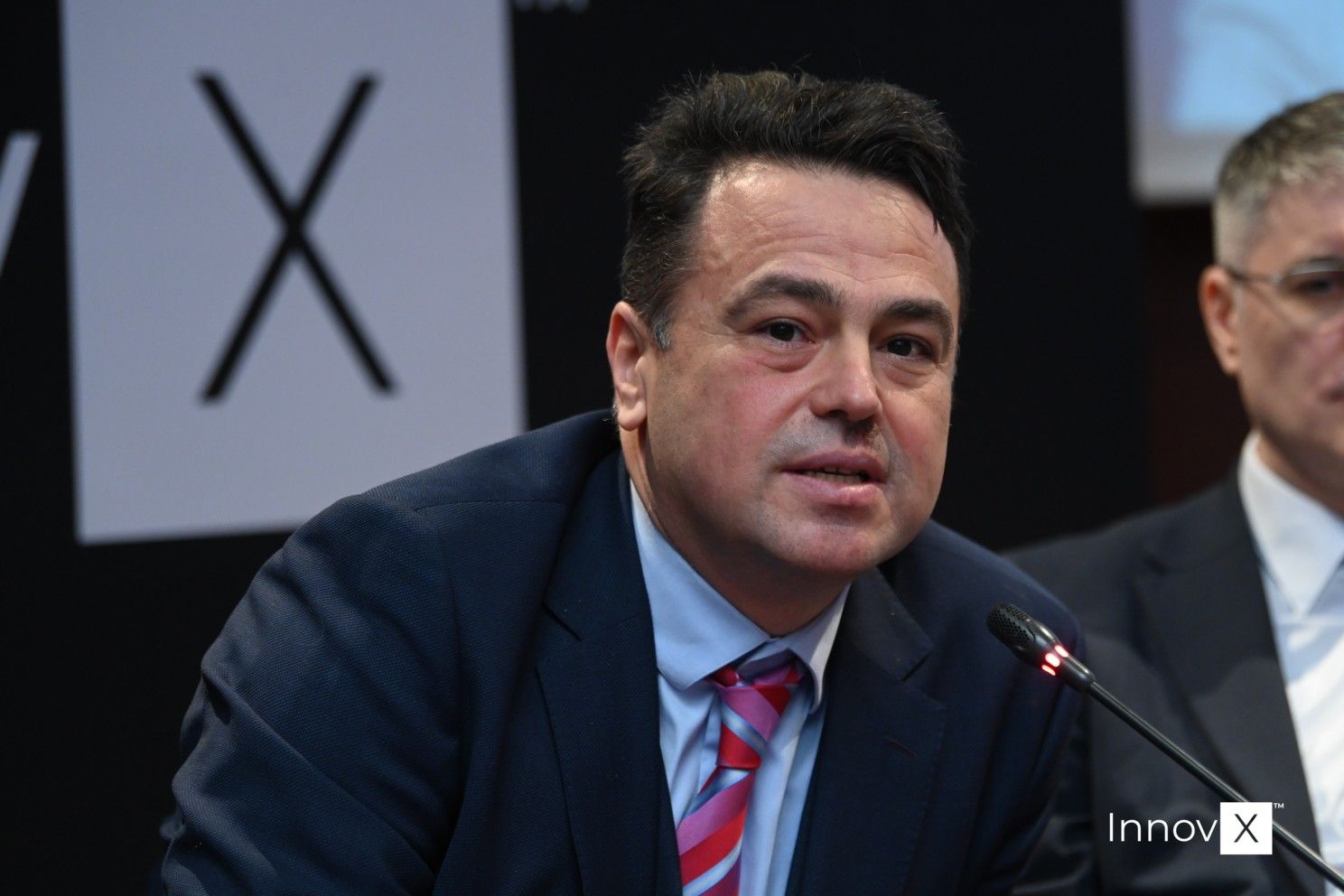
The panel concluded with a synthesis of five domains where Romania can credibly lead within 12–18 months:
- Maritime cybersecurity & port resilience
- Supply-chain and logistics integrity
- Critical infrastructure protection
- Autonomous and sensor-driven systems for littoral environments
- Optics and precision sensing enabled by ELI-NP
The message was consistent across all speakers: Romania does not lack capability; it needs structured acceleration.
BlackSeaX was positioned as the mechanism to close that gap: a private–academic alliance designed to operate on 6–12 month innovation cycles, aligned with real operational environments and frontier research.
Panel 2 - Dual-Use Startups – Growth through Acceleration and Investments
“Engineering in a heads-down manner without talking to the end user is rather pointless.”
With this remark, the second panel of the BlackSeaX Forum shifted the conversation from institutional architecture to execution on the ground.
Moderated by Emanuel Cernat , the discussion brought together Sofia Magkia , Pawel Bochniarz , Konstantinos Lafkas , and Spencer L., aligning accelerator, investor, and founder perspectives around one central question: how do dual-use startups actually scale?
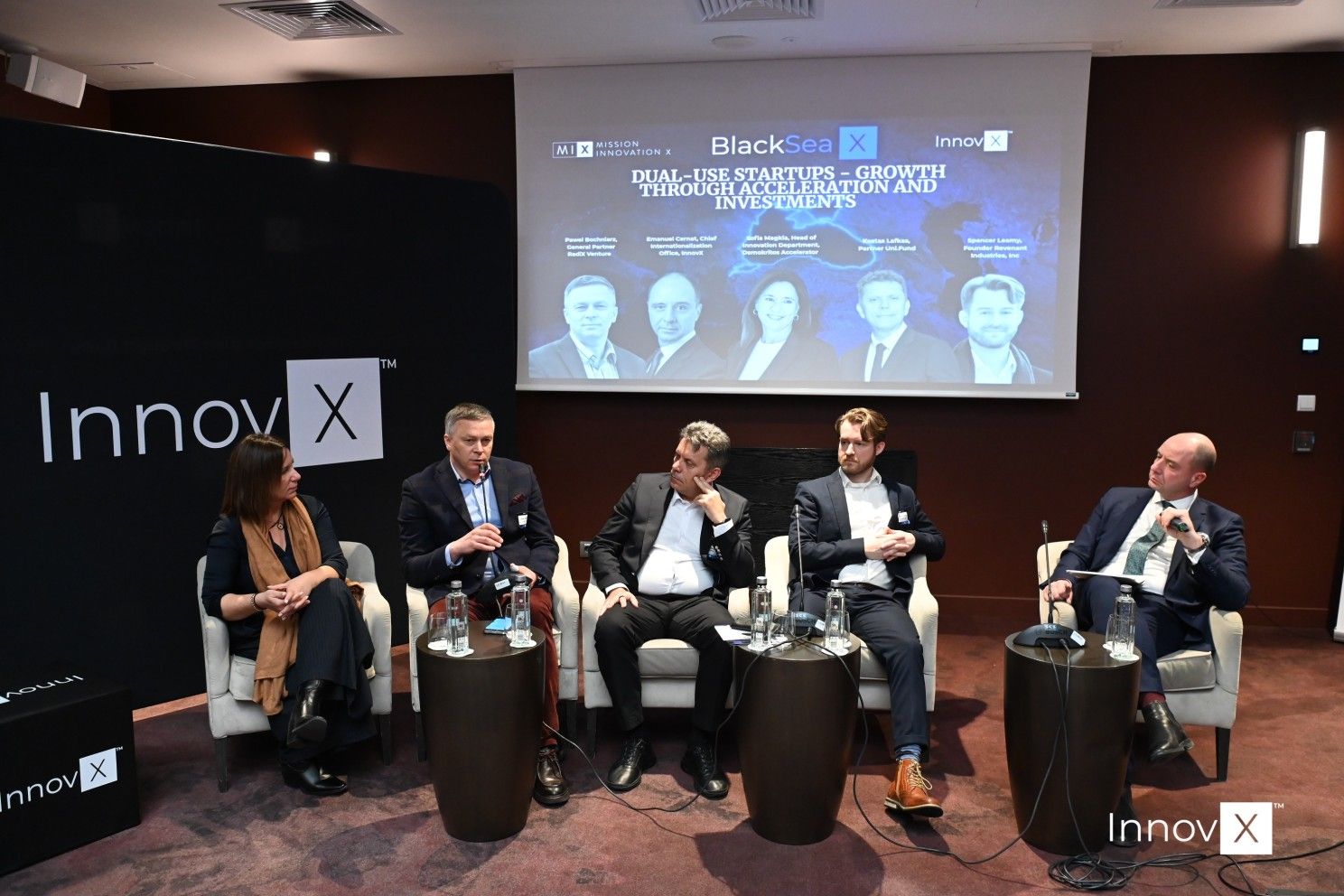
If the first panel defined the structural framework of BlackSeaX, this session examined the market reality. Dual-use innovation does not evolve in controlled environments. It operates at the intersection of security and competitiveness, where speed, capital, validation, and real operational demand collide.
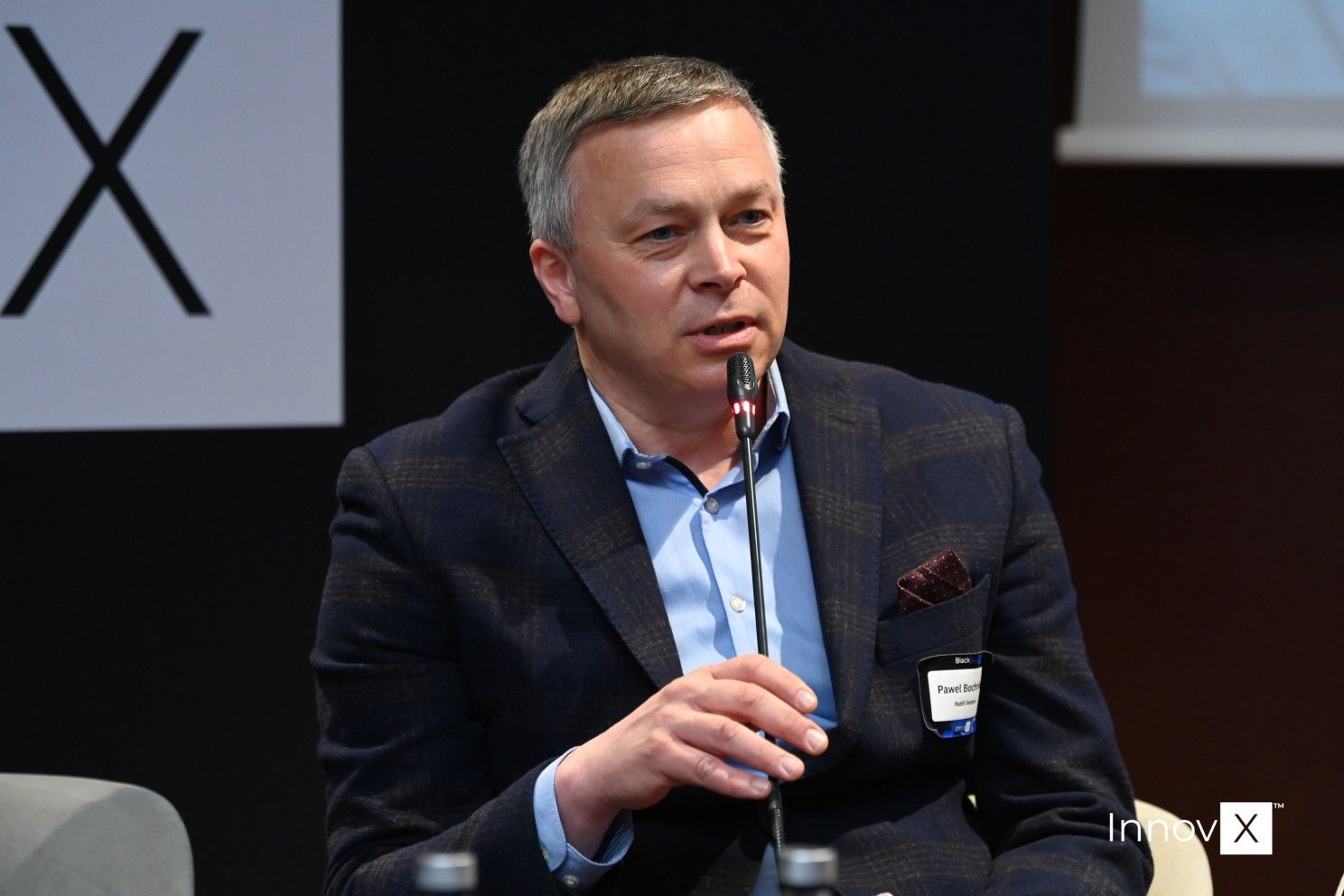
Pawel Bochniarz , General Partner at Radix Ventures, brought the investor lens into the discussion.
He highlighted how context fundamentally changes the dynamics of dual-use innovation. In environments under real operational pressure, innovation cycles accelerate dramatically. Startups can generate revenue even with early-stage prototypes, not because products are finished, but because they are good enough to be tested, validated, and iterated quickly with real users.
For investors, this creates a very different risk calculus. Validation under operational conditions compresses feedback loops and de-risks technology in ways that traditional markets rarely can.
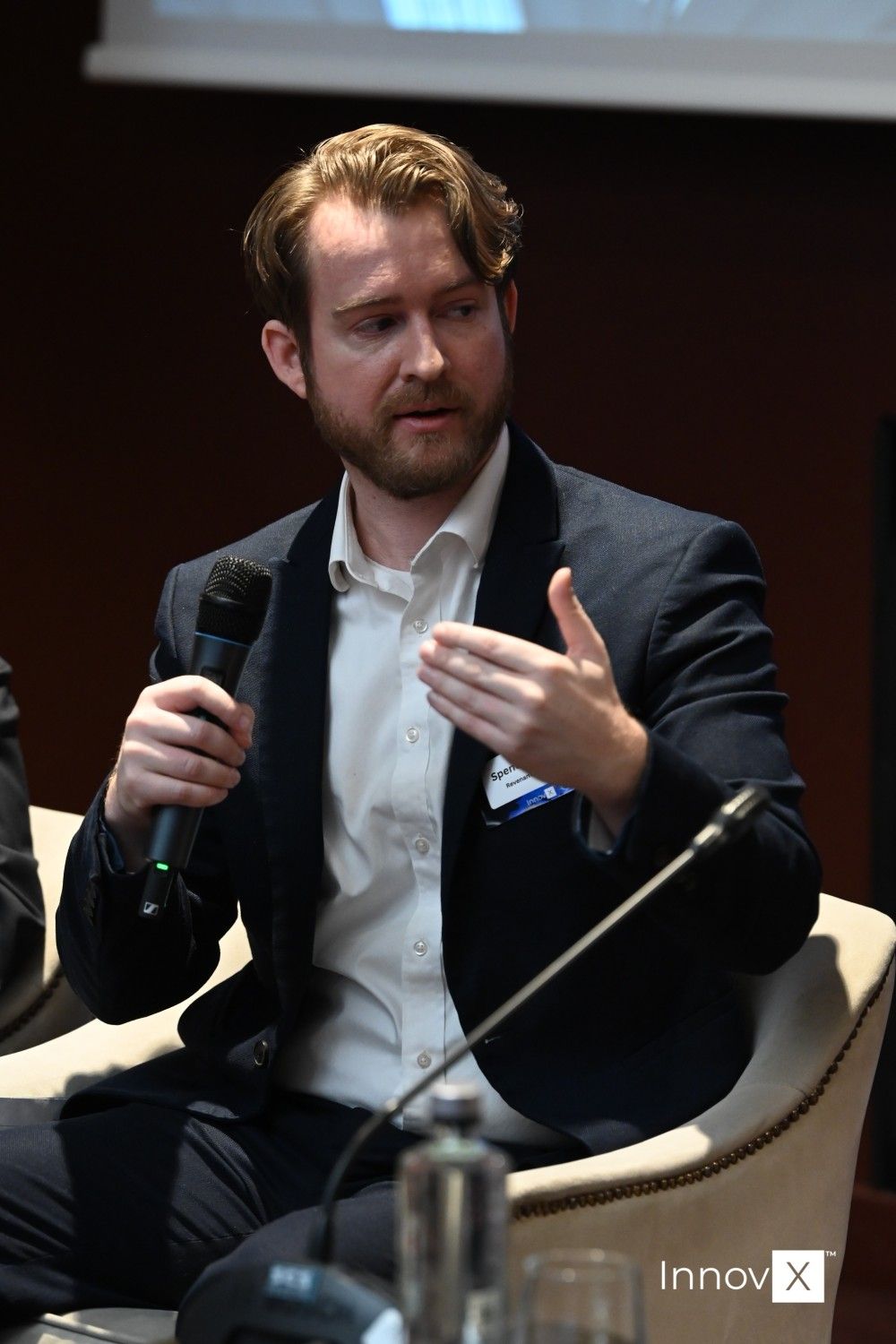
From the founder’s perspective Spencer L., Founder of Revenant Industries, emphasized thebalance between exploration and exploitation, between technical depth and user feedback.
Building in isolation, he noted, is ineffective. Engineering excellence must be matched with direct engagement from both end users and decision-makers.
He shared a practical example: bringing one of their drone systems directly into a setting where both buyers and operators were present. This alignment between those who purchase and those who deploy technology shortens feedback loops and accelerates product-market fit in high-stakes environments.
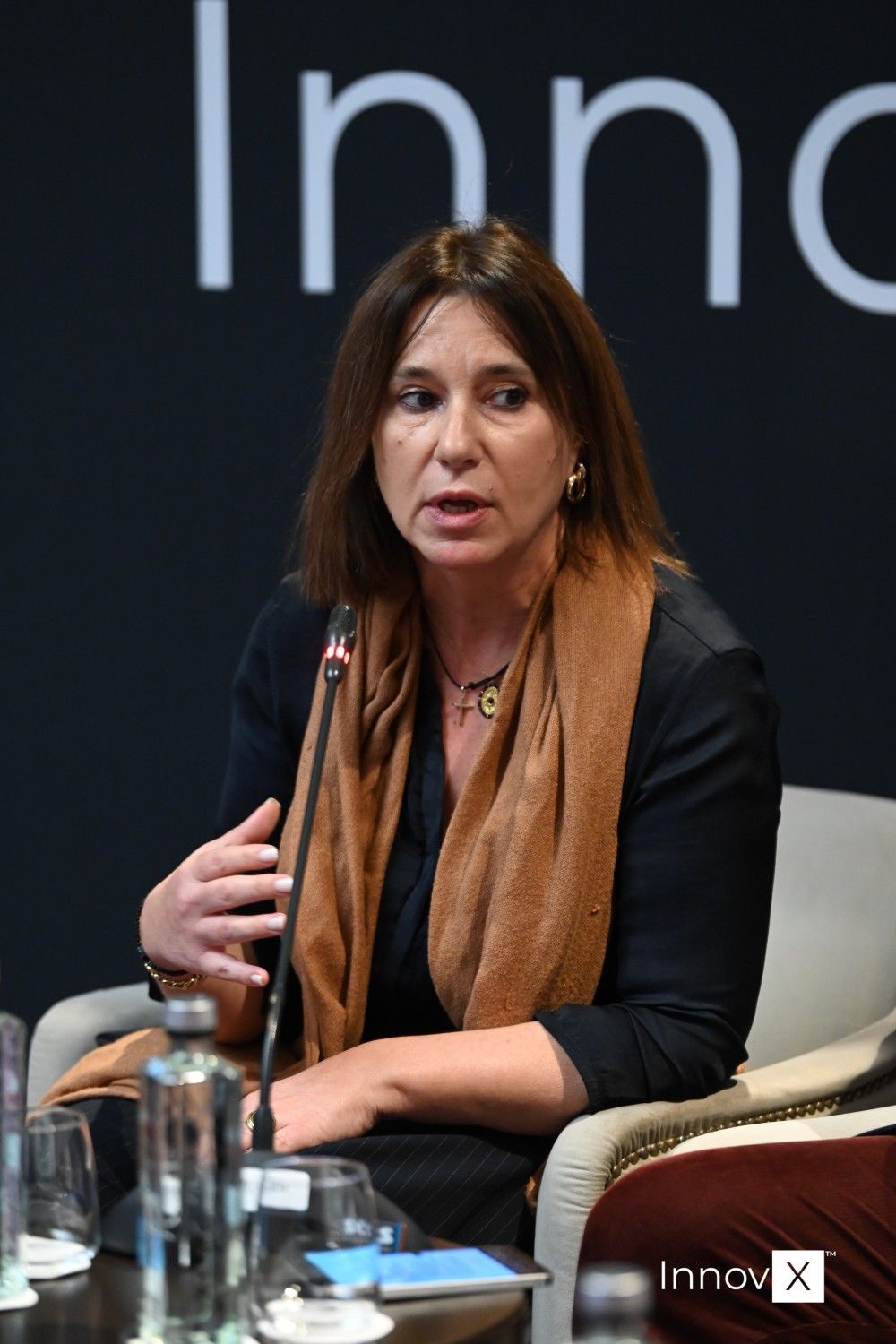
Sofia Magkia, Head of Innovation Department, Innovation Accelerator@Demokritos, contributed the accelerator perspective from a research-driven innovation ecosystem.
She underlined that dual-use startups require structured pathways that connect scientific research with commercial validation and investor readiness. Acceleration in this space is not only about mentoring; it is about building bridges between
Her perspective reinforced the need for institutional scaffolding that allows startups to move from prototype to scaled deployment without losing momentum.
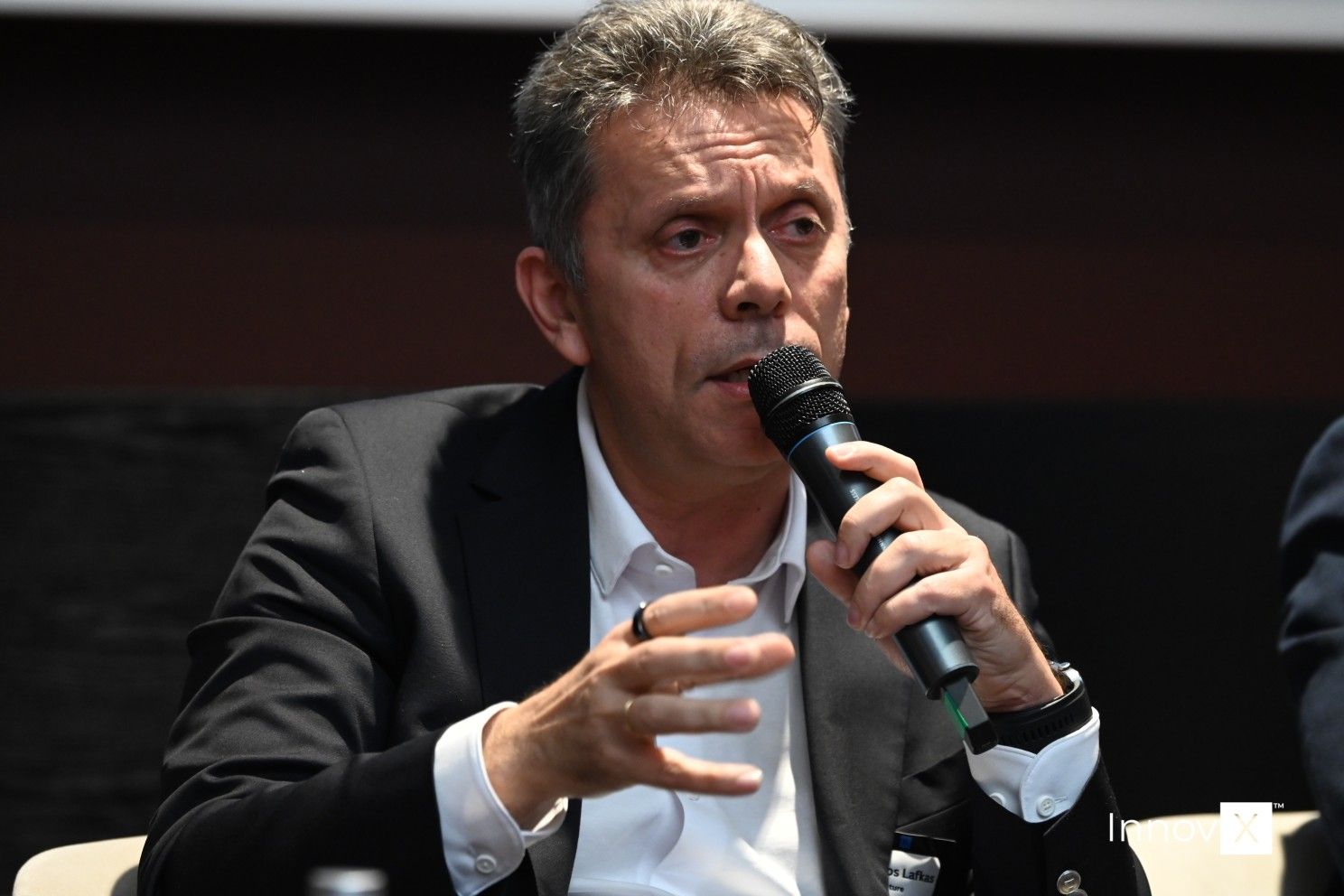
Konstantinos Lafkas, Partner at Uni.Fund, focused on capital strategy.
He emphasized that dual-use scaling requires a blended approach to funding, combining non-dilutive instruments with venture capital. Defence-related commercialization timelines differ significantly from traditional SaaS or consumer markets, and capital structures must reflect this reality.
Clear governance, export awareness, and early-stage regulatory alignment are not late-stage concerns. They must be embedded from the beginning.
Throughout the discussion, one theme remained constant: dual-use is global from day one. It requires:
- early operational validation
- investor literacy around procurement timelines
- structured accelerator support
- and founders who actively shorten the distance between engineering and deployment
Panel 2 reinforced the execution layer of BlackSeaX. If Panel 1 defined the architecture, this session defined the engine.
Panel 3 - SelectUSA Investment Summit 2026 – Entering and Competing in the U.S. Market
“We don’t choose winners at the federal level. Individual states compete to attract investment.”
With this clarification, Eli Corso-Phinney reframed a common misconception about entering the United States market.
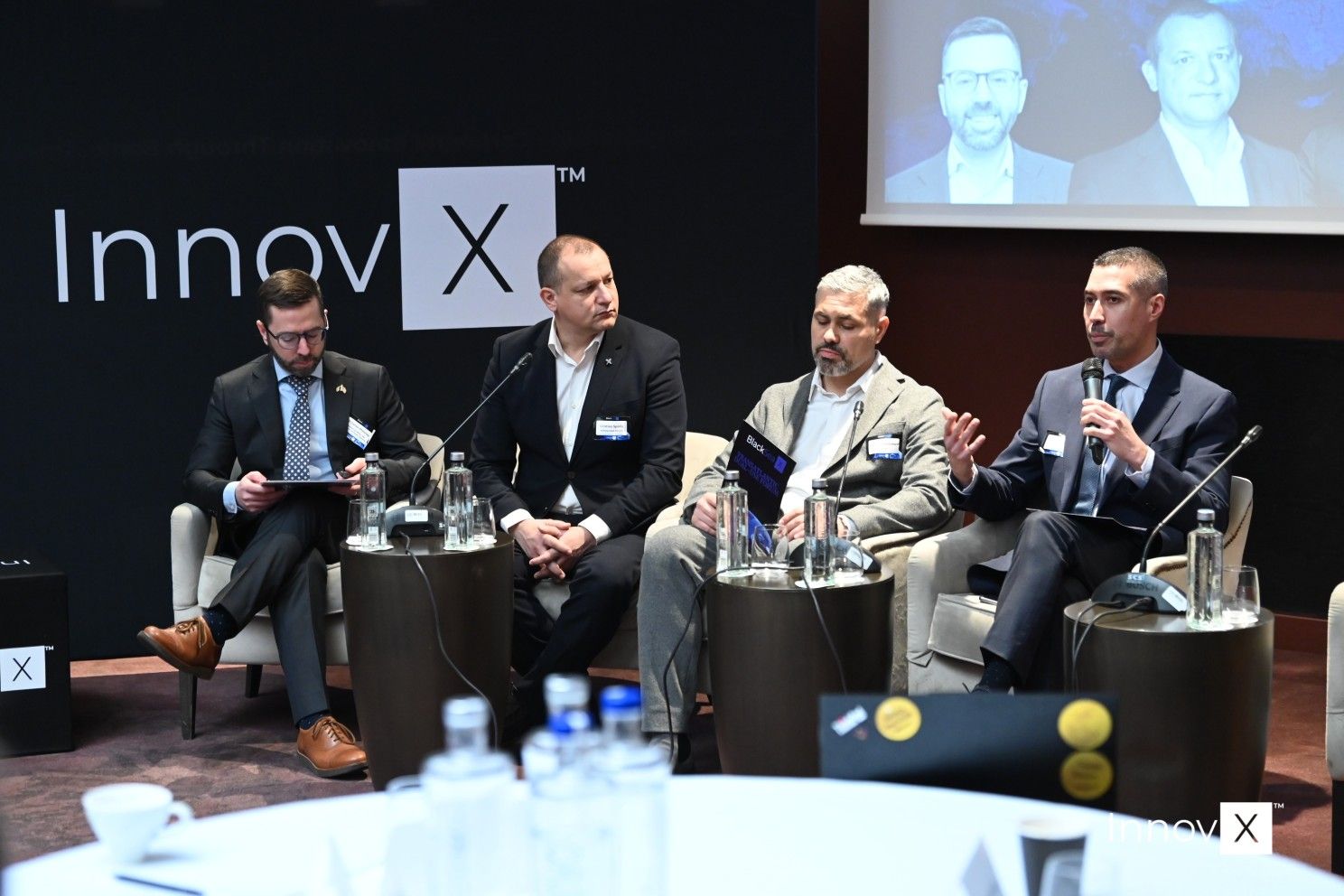
Moderated by Aimen Aldahash , the final panel of the BlackSeaX Forum shifted the focus from regional resilience to global expansion, examining what it actually takes for Romanian and CEE companies to compete in the U.S.
Bringing together Eli Corso-Phinney , Cristian Marius Sporis , and Daniel Dumitrescu, PhD. , the discussion explored preparation, capital structuring, and institutional alignment as prerequisites for credible international scaling.
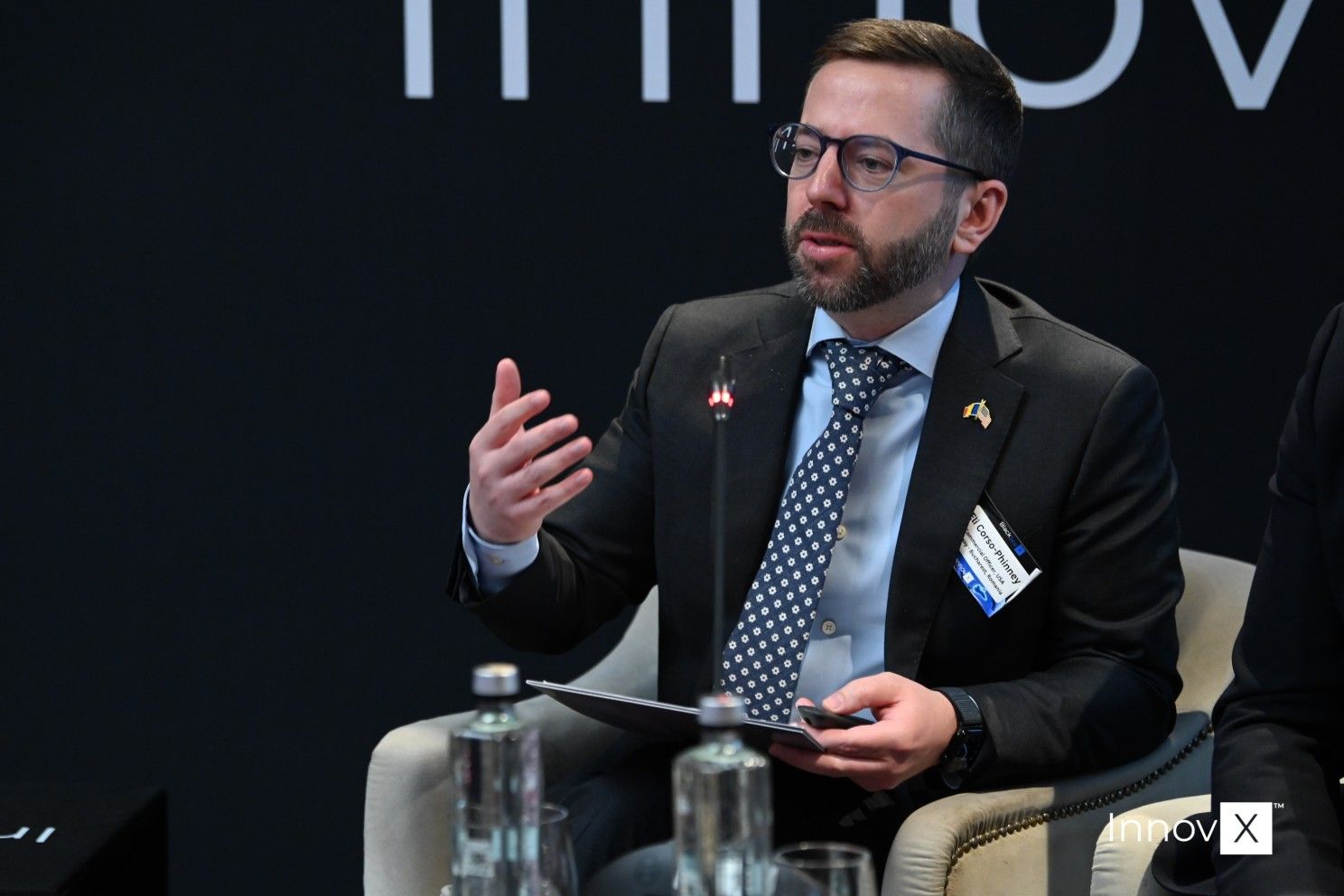
Eli Corso-Phinney, Commercial Officer at the U.S. Embassy Bucharest
Eli provided a structural overview of the SelectUSA Investment Summit and the U.S. investment ecosystem.
With over 5,000 annual participants, including investors, business leaders, and economic development representatives from nearly every U.S. state and territory, SelectUSA functions as a gateway into a decentralized and highly competitive investment landscape.
Her remarks underscored an important principle: the U.S. federal government does not centrally allocate opportunities. Individual states actively compete to attract foreign investment, offering distinct incentives, sector specializations, and partnership frameworks.
For international companies, this means preparation is critical. Market entry is not about visibility; it is about strategic alignment with the right state-level ecosystem.
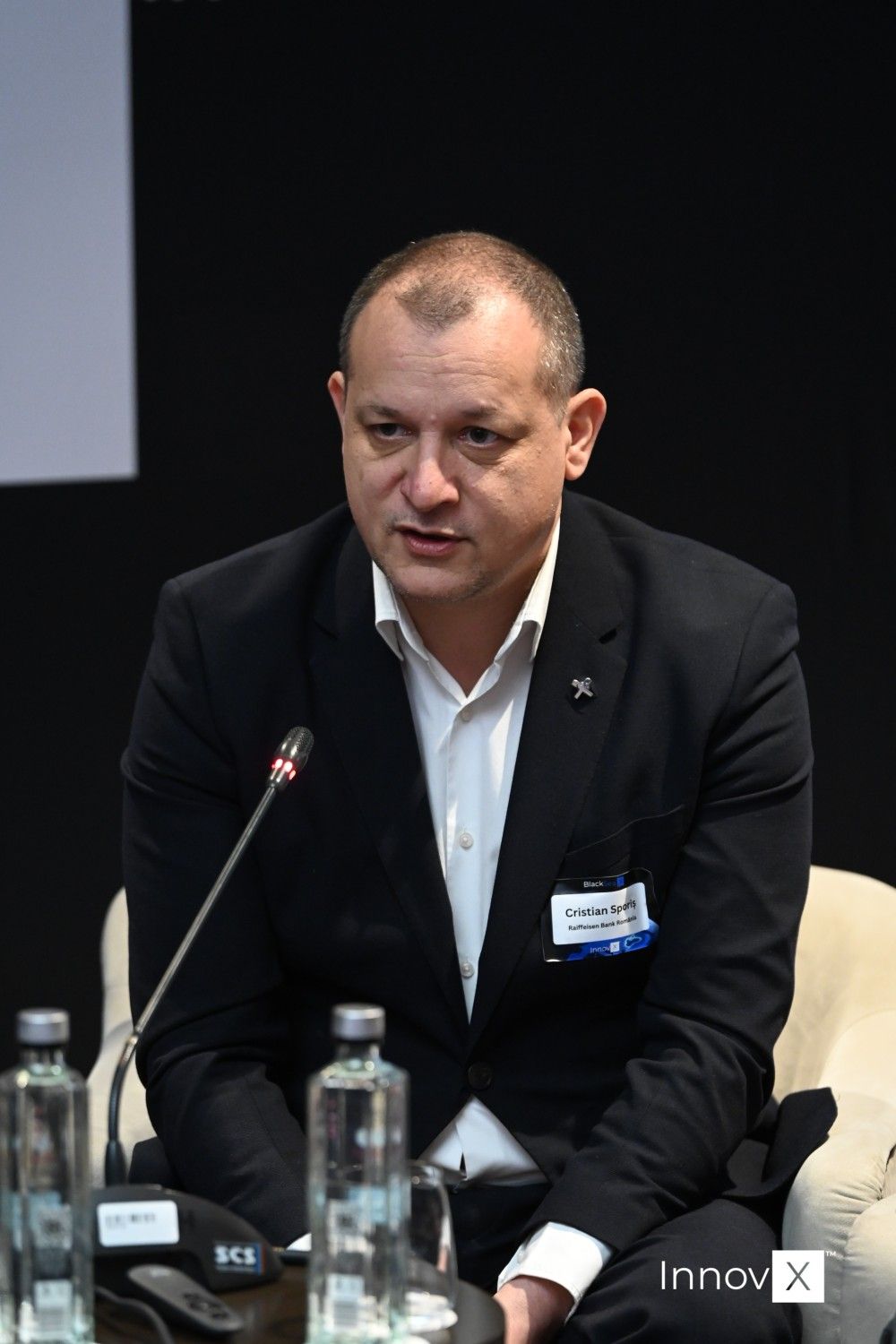
Cristian Marius Sporis, Vice President Corporate & Investment Banking, Raiffeisen Bank Romania brought the financial structuring perspective.
International expansion, he emphasized, requires more than ambition. It requires governance clarity, banking credibility, financial transparency, and institutional discipline.
Companies seeking to enter complex markets like the United States must ensure that their capital structure, compliance standards, and reporting mechanisms are aligned with international expectations.
Scaling internationally is not an extension of local success. It is a complete transformation in how the company is structured.
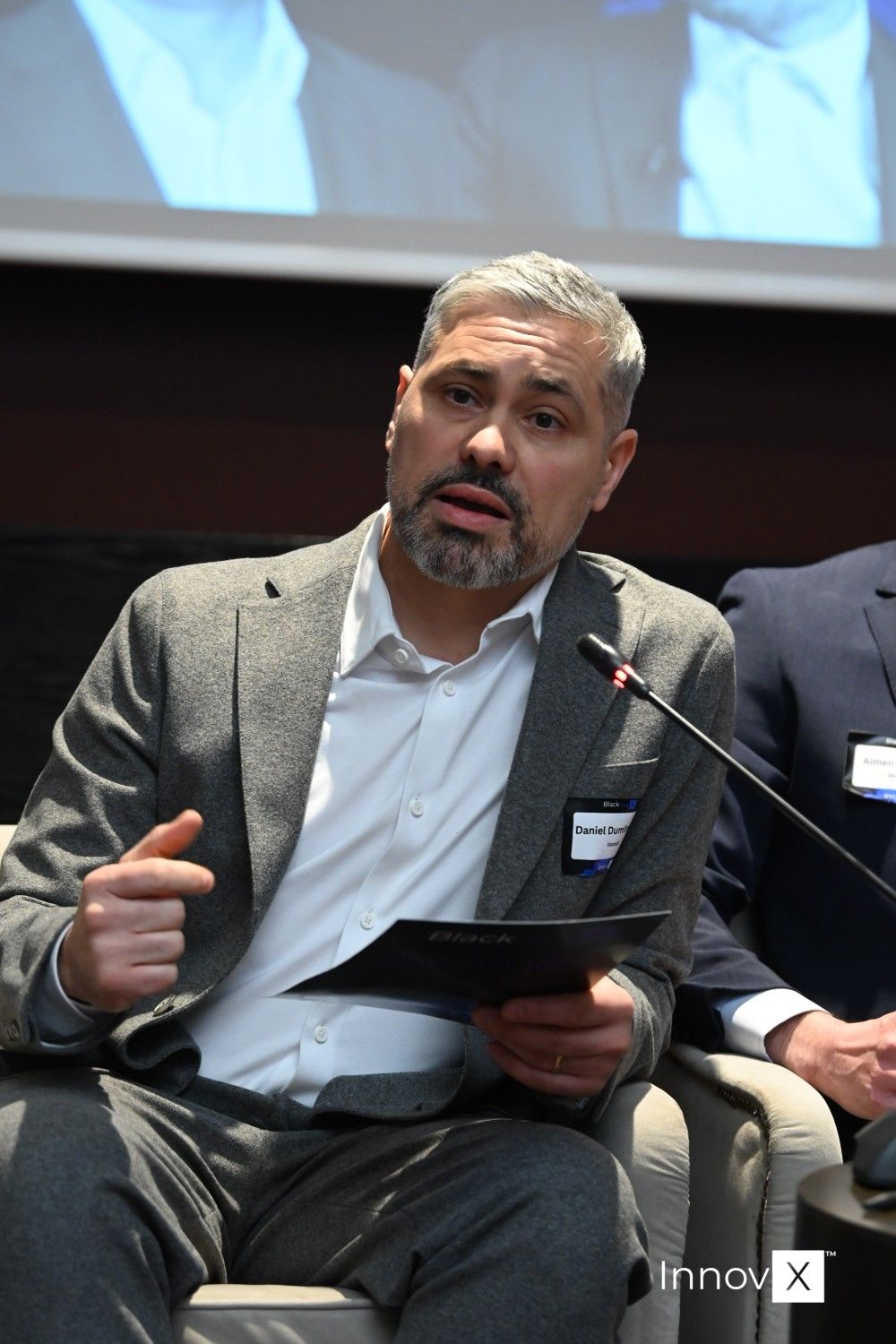
Daniel Dumitrescu, PhD., Chief Innovation Officer at InnovX, positioned internationalization as a strategic continuation of dual-use acceleration.
For deep-tech and security-oriented companies, U.S. expansion is an ecosystem integration process. Partnerships with academic institutions, venture capital networks, and strategic operators create credibility bridges that facilitate entry into advanced markets.
He emphasized that delegations, structured preparation, and institutional coordination amplify national credibility abroad. Internationalization must be intentional, not opportunistic.
Panel 3 concluded the forum with a forward-looking perspective. If the previous sessions focused on building capability within the Black Sea region, this discussion explored how those capabilities can compete internationally.
The message was that entering the U.S. market requires preparation, structural discipline, and alignment with decentralized opportunity ecosystems.
Closing Remarks
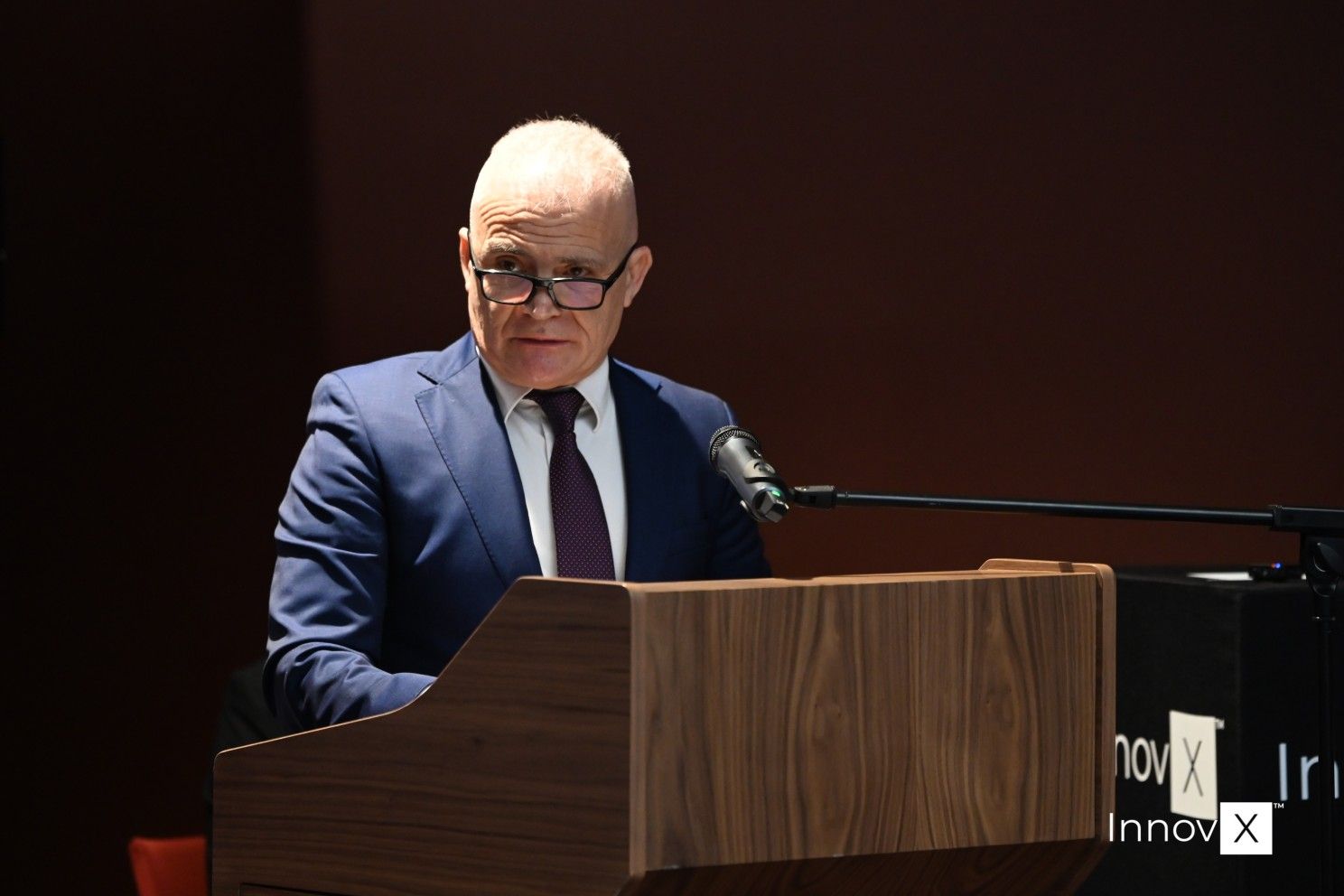
Daniel Ilie, CSOO at InnovX and Former Commander, of the Special Operations Forces Unit
“They are the decision makers and protectors. Academia and entrepreneurs build the solutions. Investors enable scaling.”
With these closing words, Daniel Ilie distilled the entire BlackSeaX Forum into a simple but powerful architecture of roles.
He emphasized that resilience on the Eastern flank will not be achieved through isolated efforts. It requires clearly defined mission needs, real operational feedback, and coordinated execution.
Institutions must articulate real priorities and assume responsibility for protection. Academia and entrepreneurs must transform those needs into concrete technological solutions. Investors must provide the scale, capital discipline, and connectivity required to move from prototype to deployment.
In this framing, BlackSeaX is a coordination platform, aligning protectors, innovators, and enablers around shared strategic objectives.
His remarks reinforced the urgency underlying the forum: technological resilience is not abstract. It is built deliberately, through defined missions, structured collaboration, and sustained execution.
Building Continuity Beyond the Forum
BlackSeaX was not designed as a one-day event. It was positioned clearly as a private accelerator with continuity, anchored in academia, industry, and transatlantic cooperation.
The strategic partnership with MIT Mission Innovation X remains central to this model. Over the past two years, collaboration between InnovX and MIT has evolved from dialogue to structured alignment. Daniel Dumitrescu, PhD. ’s contribution as co-author to the dual-use volume developed within this ecosystem, and the upcoming second publication, signal that this is not episodic cooperation, it is institutional depth.
BlackSeaX builds on that foundation.
The model is intentionally sustainable. And the presence of startups at the forum reinforced this commitment to continuity. BlackSeaX is not conceptual, but operational. Romanian founders see tangible pathways through this platform, and that credibility matters.
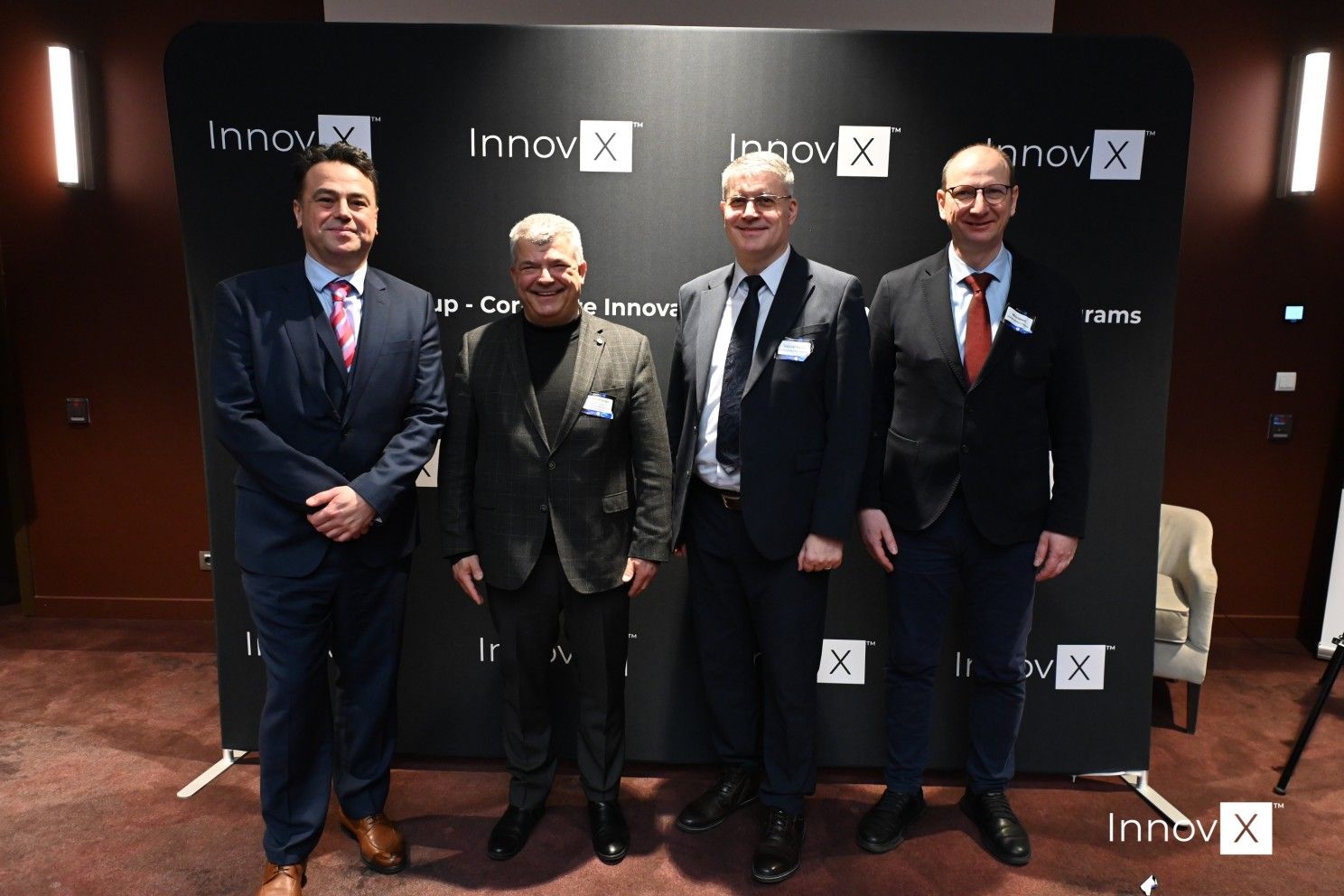
The audience itself reflected the diversity of the ecosystem being built: representatives from The National Institute for Research & Development in Informatics - ICI Bucharest (including Victor Vevera ), Constanta Maritime University ,financial institutions, legal partners such as DLA Piper , security and academic stakeholders, and U.S. Commercial Service representatives including Eli Corso-Phinney and Monica Eremia , who will further support companies engaging with international expansion pathways.

The longstanding collaboration (since 2020) with Pawel Bochniarz and the MIT-affiliated accelerator ecosystem in Poland stands as further proof that professional trust and consistency define InnovX ’s cross-border partnerships.
The forum concluded not with engagement through a dedicated networking session where startups, investors, institutional representatives, and academic leaders continued the dialogue.
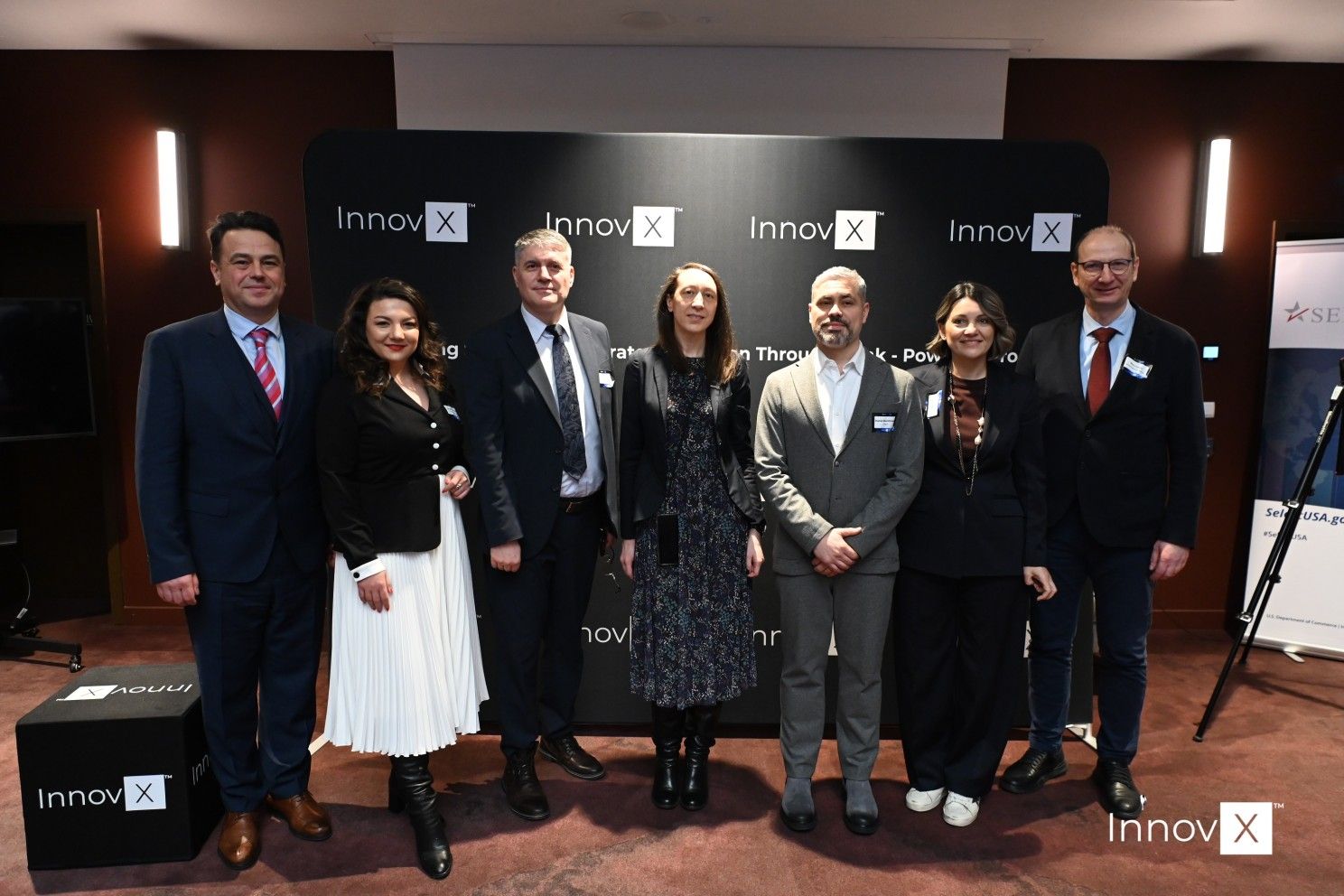
The forum was also strengthened by the presence of long-standing InnovX community members, investors, founders, academic leaders, and industry representatives who continue to contribute to the broader dual-use and deep-tech ecosystem.
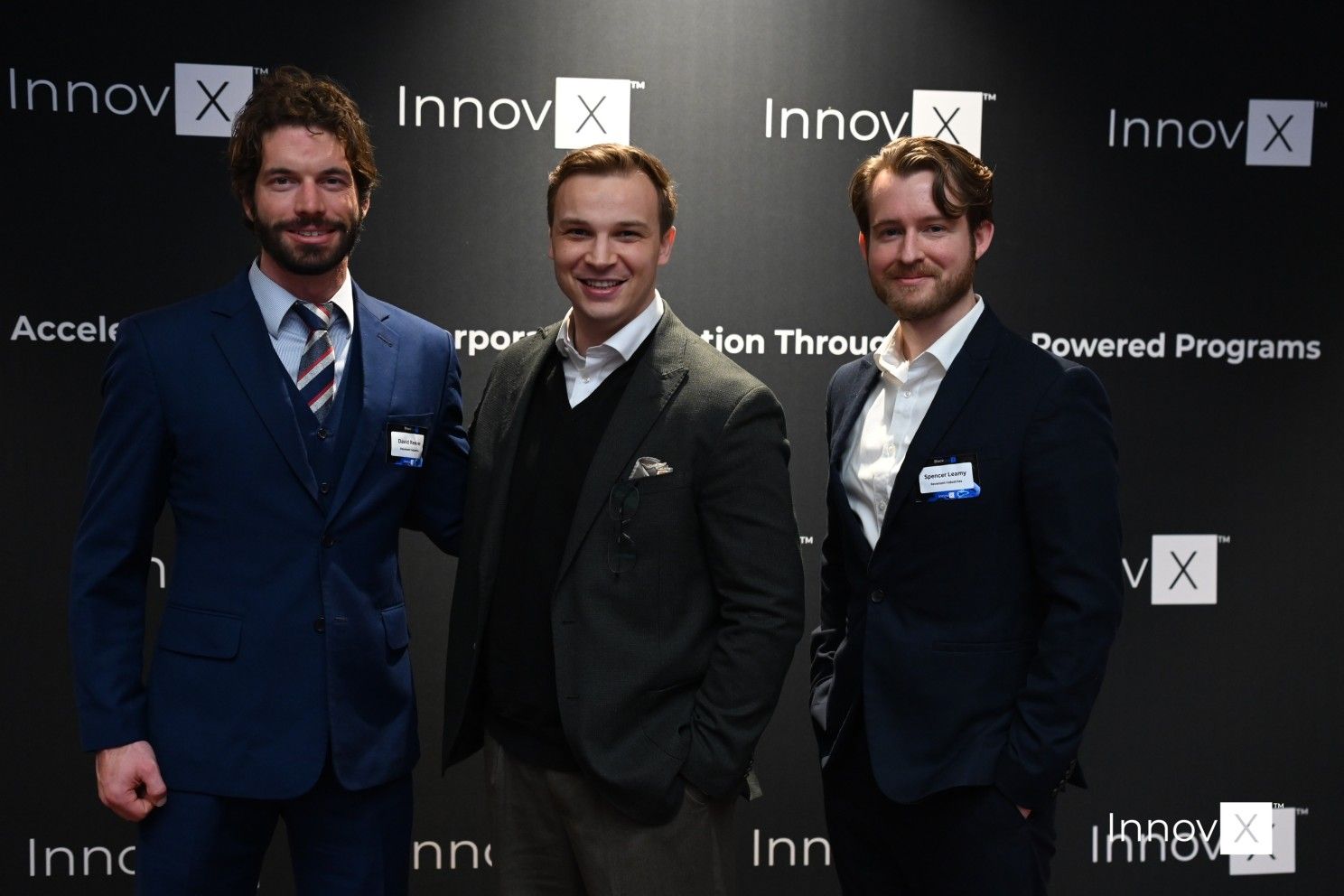
Valeria Popescu ( The Romanian National Cyber Security Directorate ), Cristina Bucur ( DLA Piper ), Bogdan Moldovan ( Axigen Messaging ), Virginia Zetu ( Fibercon UK ), Bixi Mocanu ( STIMPEX SA ), Vali Ivan (AtelierHDFX ), Ioan Dura ( Ovidius University Constanta ), George Vladimir Duhan ( Ubitech ), David Reeves (Revenant Industries), Iuliana G. (Prognosis Mind), Ovidiu Bernaschi and Nicolae Sfetcu ( Secured Quantum Services Romania), Stere Stamule and liliana craciun (ASE), Robert Hriztescu (Ovidius University), Alexandru Panait ( AI Professional Software Solutions & GovSmart, Inc. ), IONEL PAVEL and Adrian Singheorghe ( STARC4SYS ), and Botiș Horia-Razvan ( NATO DIANA ).
A special thank you to Adrian Seceleanu , ZF Business Hi-Tech News Editor, who moderated a series of in-depth interviews with invited speakers and guests. These conversations will soon be released, offering extended insights from the specialists present at BlackSeaX.